Getting ready for dental implant surgery is an important step toward restoring your smile and confidence. Dental implants are a trusted option for replacing missing teeth and blending function with aesthetics. In this guide, you’ll find practical advice and essential steps to help you prepare for the procedure. This ensures a smoother experience, faster healing, and the best possible outcome.
What Are Dental Implants?
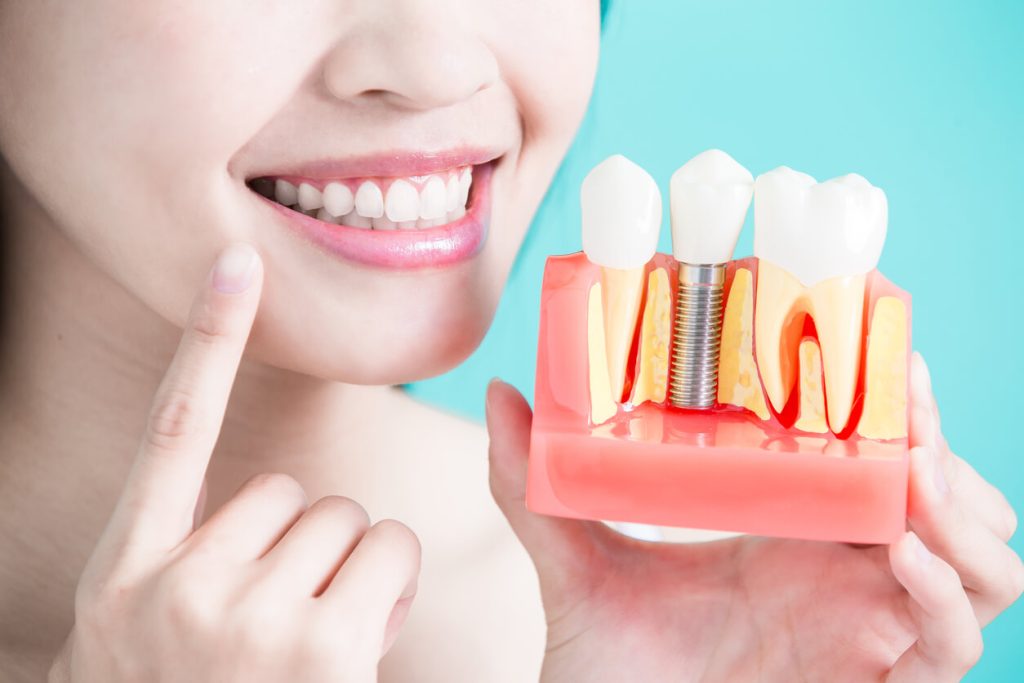
Dental implants are a modern, long-lasting solution for replacing missing teeth. They consist of artificial tooth roots—usually made of biocompatible titanium—that are surgically placed into the jawbone. Over time, the implants fuse with the bone through a process called osseointegration, creating a sturdy base for custom-made prosthetic teeth that look, feel, and function like natural teeth.
Beyond aesthetics, dental implants play a crucial role in preserving oral health by preventing bone loss, maintaining facial structure, and restoring full chewing ability, contributing to an improved quality of life.
Types of Dental Implants
- Single-Tooth Implants. Suitable for replacing individual missing teeth.
- All-on-4 Implants. Designed to support an entire arch of teeth using just four posts, offering a streamlined approach for replacing several teeth at once.
- Full Mouth Rehabilitation. A comprehensive plan that addresses multiple dental issues to restore overall dental health and functionality.
How to Prepare for Dental Implant Surgery
Knowing what to do before dental implant surgery is crucial for a successful procedure. Proper steps can reduce the risk of complications, ease post-surgery discomfort, and support faster healing. This preparation also helps you feel more relaxed and confident throughout your treatment.
Pre-Surgery Consultations
Before the procedure, have an in-depth consultation with your dentist. Discuss details about what to expect, including benefits and potential risks. Don’t hesitate to ask questions to gain a complete understanding of the process and recovery, ensuring all your concerns are addressed. Share your medical history and current medications transparently, so your dentist can come up with the most suitable plan for your needs.
Potential Pre-Surgery Procedures
Before proceeding with dental implants, certain preparatory procedures might be necessary to ensure the best possible outcome:
- Bone Grafting. If there isn’t enough jawbone to support an implant, a bone graft might be needed. This procedure strengthens the bone by adding grafting material, creating a solid foundation for the implant.
- Tooth Extraction. If any damaged or non-repairable teeth are present, they may need to be removed before implant placement. This step ensures the implant has adequate space and a healthy environment for integration.
- Periodontal Treatment. Your dentist also needs to address gum disease or inflammation if you’re currently experiencing these. Periodontal treatment can help create a cleaner, healthier environment for the implant, reducing the risk of complications.
Mental and Emotional Preparation
Preparing mentally and emotionally is just as important as the physical steps. A positive mindset can make a big difference in your experience and recovery. Here’s how to get in the right headspace:
- Share your concerns with your dental specialist. Open communication helps ease anxiety and gives you a clearer understanding of what to expect.
- Practice relaxation techniques like deep breathing or meditation to reduce stress and stay calm before your procedure.
- Stay informed and ask questions during consultations. Knowing what’s ahead can replace uncertainty with confidence and reassurance.
The Morning of Your Appointment
- Wear comfortable, loose clothing for your visit, which is helpful for feeling at ease during the procedure.
- If advised, comply with any specified fasting times for anesthesia.
- Use an antimicrobial mouthwash and keep up with regular oral hygiene to maintain a clean environment.
- Bring along the necessary documentation and details about your medications for reference.
Following pre-op eating guidelines is crucial. Typically, if anesthesia is being used, patients should avoid eating for a certain period before the surgery. Your surgeon will provide precise instructions on whether a light meal is permissible, considering factors such as your health status.
Healing Timeline After Dental Implant Surgery
|
Period |
What to Expect |
|
First 24–48 Hours |
Swelling and minor bleeding are normal. Use ice packs and rest to manage discomfort. |
|
First Week |
Most swelling subsides. Stick to soft foods and avoid strenuous activities to promote healing. |
|
3–6 Months |
Osseointegration occurs as the implant fuses with your jawbone—an essential step for long-term success. |
|
Ongoing Care |
Your dentist will monitor your progress and determine when it’s time to place the final crown. |
Making Plans for Post-Operation Recovery
Being ready for recovery can facilitate smoother healing and lower the risk of complications:
- Arrange transport home, as the procedure may temporarily affect your ability to drive.
- Stock up on soft foods like yogurt and soups for the recovery period.
- Review any aftercare directions, including using cold compresses to ease bleeding or discomfort.
- Plan for adequate rest and minimal physical activity to promote healing.
By considering these preparation steps in consultation with your dental professional, you can enhance your dental implant experience. For a more confident smile, pay attention to every phase—from preparation to healing.
Aftercare Tips for a Smooth RecoveryProper aftercare is crucial to ensure successful healing and reduce the risk of complications. Follow these tips:
|
Possible Risks and Complications
While dental implant surgery is highly successful, complications can occasionally arise. Being aware of potential risks will help you recognize signs early:
- Infection. Redness, swelling, and pus at the implant site.
- Nerve Damage. Persistent numbness or tingling in the lips, gums, or chin.
- Implant Failure. Usually caused by poor healing or lack of bone support.
Contact your dentist immediately if you experience severe pain, excessive swelling, or fever.
Can You Eat Before Dental Implant Surgery?
If you’re receiving sedation or general anesthesia, you should not eat or drink anything for at least 6–8 hours before surgery. This reduces the risk of complications during the procedure. Follow these specific guidelines to prepare:
- Eat a light meal the night before, focusing on easily digestible foods like soups, toast, or yogurt. Avoid heavy, spicy, or greasy foods that may upset your stomach.
- Avoid alcohol and tobacco for at least 24 hours before surgery, as they can interfere with healing and increase the risk of infection.
- Take prescribed medications as directed by your dentist. If your medication requires food, discuss it with your dental professional to adjust the timing or dosage.
- Address personal errands and responsibilities ahead of time so you can have a stress-free evening and get plenty of rest.
For surgeries under local anesthesia only, you may be allowed a light meal a few hours beforehand, but always confirm fasting guidelines with your dentist.
Ready for a Confident New Smile? Join Us at Smile Lake Anna!
Thorough preparation is key to achieving successful dental implant surgery, both physically and emotionally. Addressing every stage of the process, from initial consultations to recovery, ensures a smooth experience and sets you up for a transformation in both oral health and appearance. A carefully planned approach reduces risks and promotes faster healing, helping you achieve long-lasting results.
At Smile Lake Anna, we’re with you every step of the way. Our team provides expert care and personalized treatment plans tailored to your unique needs, ensuring you feel supported and informed throughout your journey. Ready to take the next step? Contact us today to schedule your consultation and move closer to the confident smile you’ve always wanted.