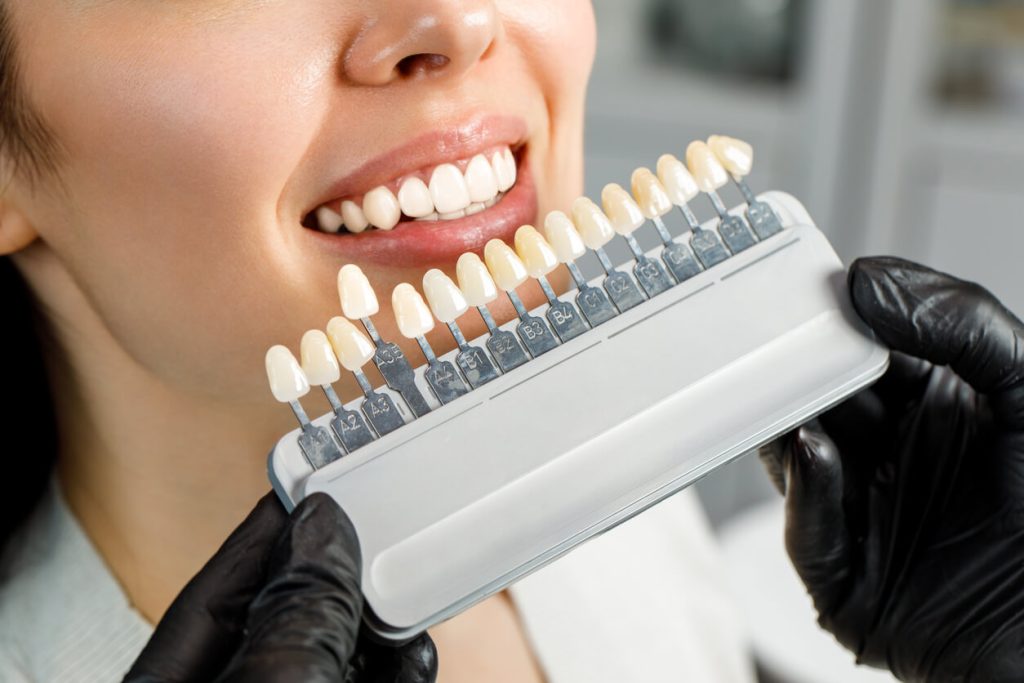
Did you know that nearly 90% of dental patients opt for teeth whitening to enhance their smile and boost their confidence? While the benefits of whiter teeth are widely sought after, one common question people ask is “Does professional teeth whitening hurt?” For those considering this cosmetic procedure, concerns about potential pain or sensitivity are perfectly natural.
Understanding the ins and outs of teeth whitening can help you anticipate what to expect and make an informed decision that aligns with your personal comfort levels and aesthetic goals.
What Is Teeth Whitening?
The process involves applying a whitening agent, commonly hydrogen peroxide or carbamide peroxide, that breaks down stains on the tooth’s surface. Various types of teeth whitening, such as:
In-Office Whitening
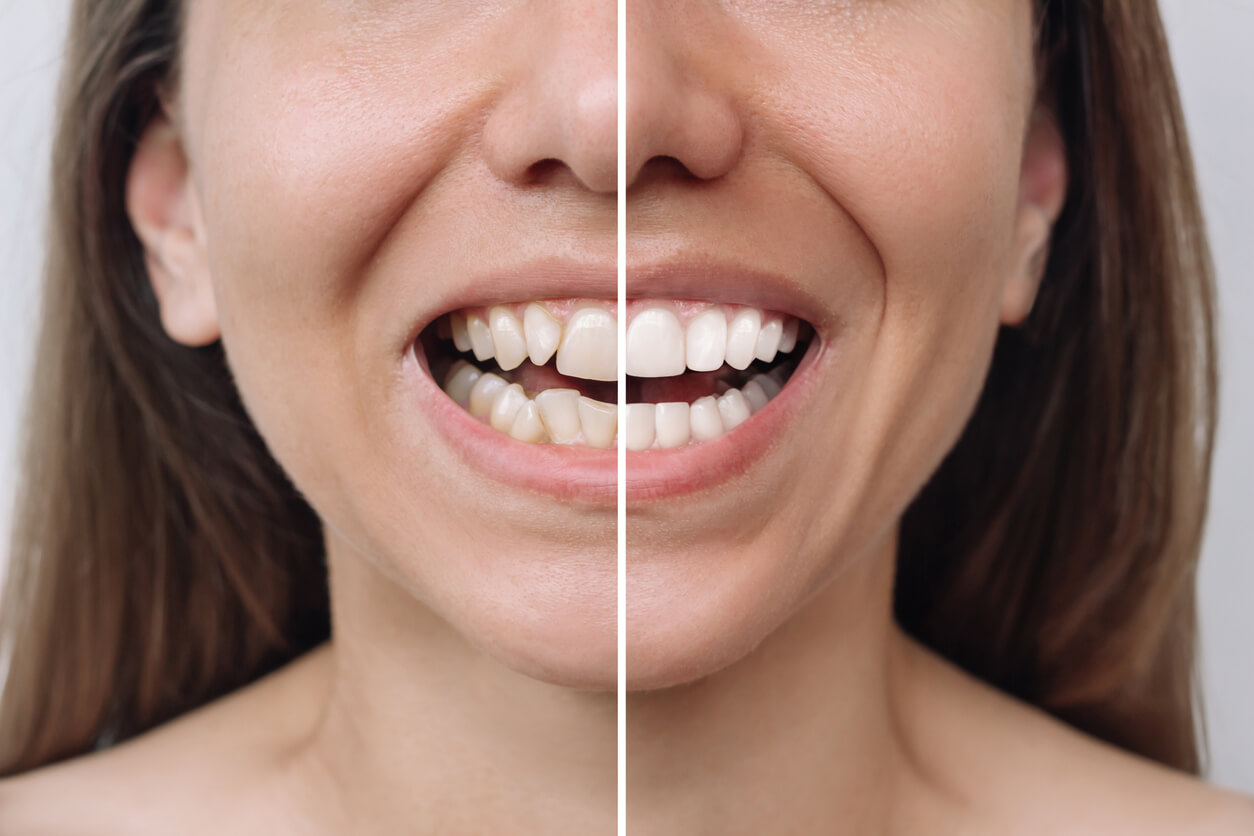
In-office whitening, often referred to as professional teeth whitening, is a popular cosmetic dental procedure that offers noticeable results. Conducted by a dental professional, this method uses higher concentrations of bleaching agents compared to over-the-counter products, providing significant whitening effects in just a single session. However, those with severe staining may need extra treatments to achieve their desired whiteness. One of the advanced techniques used in this process is laser teeth whitening.
At-Home Kits
These whitening kits are designed for use at home but are customized specifically to the individual by a dentist. Unlike over-the-counter products, at-home kits provided by dentists are customized to fit the patient’s teeth precisely, ensuring even application of the bleaching agent. Although the concentration of the bleaching agents in these kits is lower than that used in in-office treatments, they are still effective when used consistently over time.
Over-the-Counter Products
Available at most pharmacies and retail stores, these products are designed to help consumers achieve a white smile without the need for professional supervision. They mainly focus on removing surface stains through mild abrasives or low concentrations of bleaching agents. Here are some common over-the-counter teeth whitening products:
- Whitening Toothpaste. It contains gentle abrasives to polish teeth and remove surface stains, offering a slight improvement in appearance without significantly altering the natural tooth color.
- Whitening Strips. Thin strips with a mild bleaching agent, worn for a short period daily over one to two weeks, provide modest whitening results and ease of use.
- Whitening Mouthwashes/Rinses. It contains low hydrogen peroxide concentrations, freshens breath, and offers a subtle whitening effect, though minimal due to brief contact time.
- Whitening Gels and Pens. Applied directly to teeth with a brush or pen, they are portable and easy to use but deliver less dramatic results compared to stronger methods.
These over-the-counter options are typically more affordable and convenient than professional treatments, though their results are usually less pronounced. They can be an excellent choice for maintaining a bright smile after a professional whitening treatment or for individuals with light surface staining.
Comparison of Teeth Whitening Methods
Method | Effectiveness | Duration | Cost | Sensitivity |
In-Office Whitening | High-noticeable results in 1 session | Immediate (1-2 hours) | High ($300-$1000 per session) | Moderate – due to high agent concentration |
Laser Teeth Whitening | Very high – noticeable results quickly | Immediate (1-2 hours) | High ($400-$1500 per session) | Moderate to High – potential increased sensitivity |
At-Home Whitening Kits | Moderate – gradual results over weeks | Varies (daily use over 2-4 weeks) | Moderate ($20-$100 per kit) | Low to Moderate – depends on concentration |
Over-the-Counter Teeth Whitening Products | Low – removes surface stains only | Ongoing with regular use | Low ($3-$10 per tube) | Minimal – generally well tolerated |
Why Does Teeth Whitening Hurt?
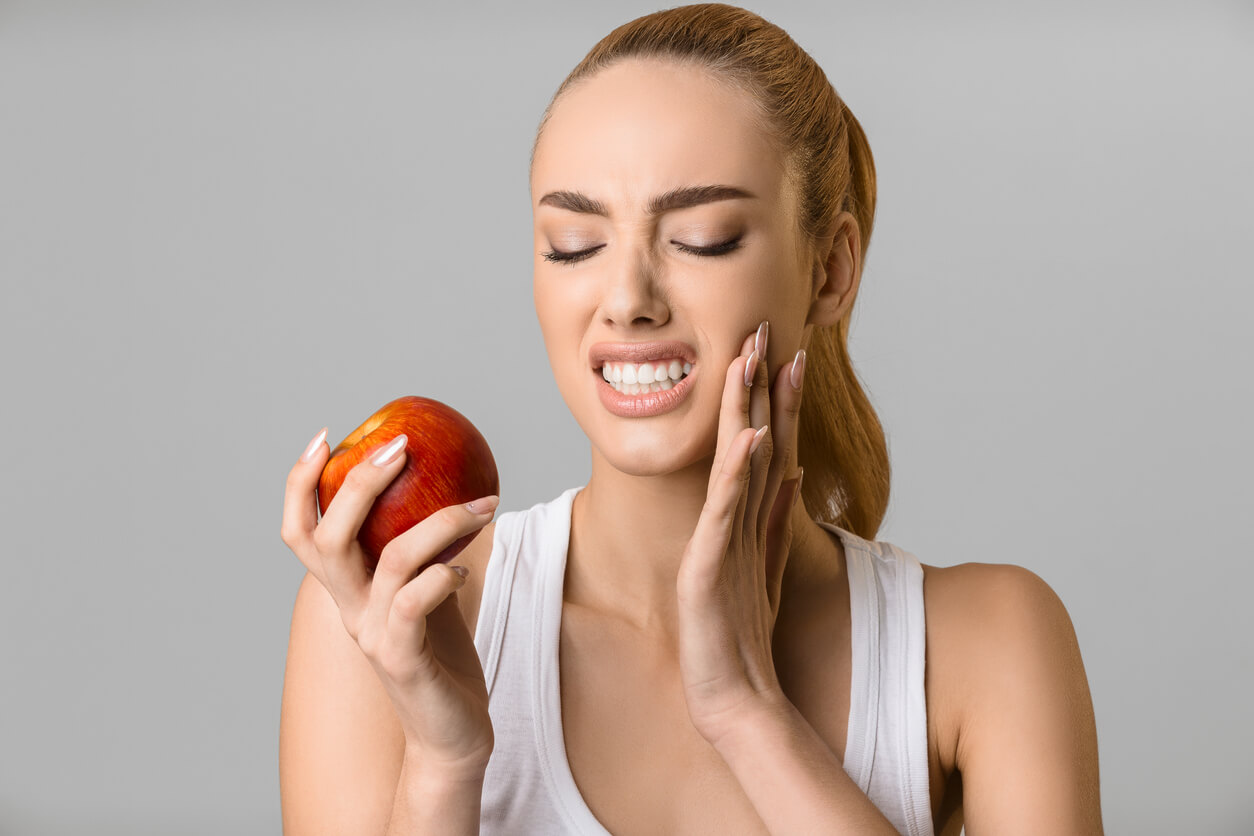
Experiencing sensitivity after teeth whitening is common, and understanding this can help prepare you for the treatment. Typically, sensitivity is felt immediately after the whitening procedure or within the first few hours as the whitening agents penetrate the tooth enamel. This discomfort can vary from mild to moderate and usually subsides within 24 to 48 hours. Here are some key reasons for potential discomfort during this period:
- Enamel Exposure. Whitening agents penetrate the enamel layer, briefly exposing the sensitive dentin underneath.
- Gum Irritation. If contact occurs with the gums, irritation may result, often subsiding post-treatment.
- Chemical Reactions. Active ingredients intended to break down stains may occasionally irritate teeth or surrounding tissue.
- Concentration of Agents. Professional treatments often use higher concentrations, which, while effective, may increase sensitivity likelihood.
- Existing Dental Conditions. Preexisting issues such as gum disease or enamel erosion can exacerbate sensitivity.
- Personal Sensitivity. Some individuals are naturally more sensitive, making them susceptible to potential discomfort.
Professional whitening systems often incorporate ingredients like potassium nitrate to reduce these effects, ensuring a comfortable experience.
Does Laser Teeth Whitening Hurt?
Laser teeth whitening is typically a comfortable procedure for most patients. However, some individuals may experience mild, temporary teeth sensitivity following the treatment.
Factors Influencing Sensitivity
A brighter smile often comes with temporary sensitivity, influenced by several aspects:
- Type of Treatment. In-office treatments may offer immediate results but can increase sensitivity due to higher agent concentrations. At-home kits generally provide gradual results with less discomfort.
- Individual Dental Health. Conditions such as exposed dentin or cracked teeth impact how sensitivity is experienced. A consultation with a dental professional can customize the procedure to your needs.
- Enamel Thickness. Thinner enamel means greater exposure of the dentin beneath, heightening sensitivity to whitening agents.
What to Expect in Teeth Whitening
- Tingling. Often reported, particularly with higher hydrogen peroxide concentrations.
- Sharp Pain or Zings. Short-lived and usually associated with active agents on enamel and dentin.
Sensitivity often peaks within the first 24 hours and subsides within a couple of days as the tooth structure acclimates to the treatment.
How to Manage and Minimize Discomfort After Teeth Whitening?
Most patients find the teeth whitening process tolerable, with discomfort typically being mild and temporary. To alleviate potential discomfort:
- Consult Your Dentist. Discuss your dental health and the best whitening options for you.
- Choose Customized Options. Custom trays fit better, reducing the chance of exposing sensitive areas.
- Start Gently. Use lower concentrations when starting out with at-home kits.
- Use Desensitizing Products. These can help reduce discomfort both before and after treatment.
- Limit Frequency. Allow sufficient time between sessions to prevent sensitivity buildup.
Who Should Avoid Teeth Whitening?
Here are some groups of individuals who should generally avoid teeth whitening:
- Pregnant or Nursing Women. The effects of whitening agents on fetuses or infants are not well-studied, so it’s best to avoid unnecessary exposure.
- Children and Teenagers. Children under 16 should avoid whitening, as their teeth and gums are still developing, which could lead to increased sensitivity.
- Individuals With Sensitive Teeth or Gums. Those who already have sensitivity issues may experience increased discomfort from bleaching agents.
- People With Allergies to Whitening Agents. If you have known allergies to peroxide or other bleaching compounds, avoid these treatments.
- Patients With Gum Disease or Cavities. Active tooth decay or periodontal issues should be addressed before considering whitening to prevent further irritation or damage.
- Those With Restorations. Dental restorations such as crowns, fillings, or veneers won’t whiten with bleaching agents, potentially resulting in uneven coloration.
- Individuals With Thin Enamel. If your enamel is worn or thin, whitening treatments can lead to increased sensitivity and potential damage.
Long-Term Considerations for Teeth Whitening
While teeth whitening is effective for achieving a bright, confident smile, it is important to consider the long-term effects of repeated treatments. Understanding these impacts can guide you in maintaining both the health and appearance of your teeth over time:
- Increased Effects on Enamel. Repeated whitening treatments can lead to a gradual thinning of the enamel. This might increase sensitivity to hot or cold foods and beverages. It’s crucial to follow a recommended schedule and avoid overusing whitening products.
- Impact on Dentin. With the enamel covering potentially becoming thinner over time, the underlying dentin could become more exposed. This can contribute to increased tooth sensitivity and potential discoloration as the dentin naturally darkens with age.
- Recommended Frequency. Dental professionals often suggest waiting at least six months between professional whitening treatments to allow your teeth to recover. For at-home whitening products, it’s essential to follow the usage instructions carefully and avoid over-application.
Say Goodbye to Stains: Start Your Whitening Journey!
Teeth whitening is an effective method to achieve a bright, confident smile. However, understanding the factors causing sensitivity and discomfort is crucial for balancing effective treatment and comfort. By choosing the right method, considering individual dental health, and using mitigating strategies like desensitizing products, you can minimize potential sensitivity. While some discomfort may occur, it is typically short-lived and can be managed with the right approach.
If you’re considering teeth whitening and want a safe, customized experience, Smile Lake Anna is here to help. Our dedicated team of dental professionals offers both in-office and at-home whitening options tailored to your sensitivity levels and dental needs.
Schedule a consultation with us to explore the best solutions for achieving a radiant smile while ensuring your comfort and oral health. Contact Smile Lake Anna today to embark on your journey to a more beautiful smile!