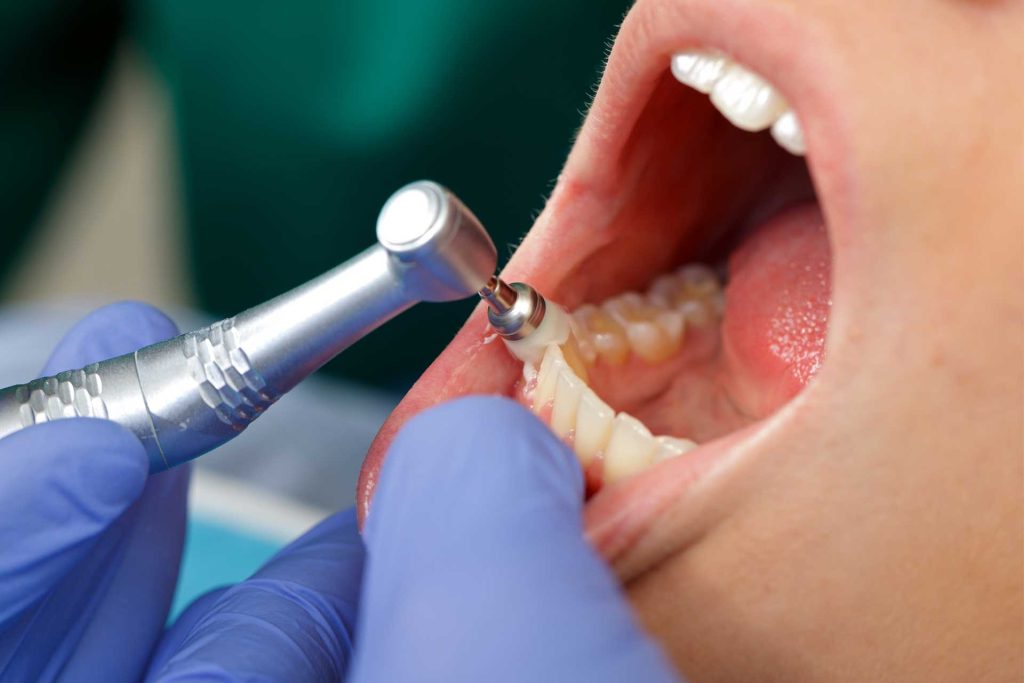
Did you know that professional dental cleanings have been shown to reduce the risk of heart disease? This intriguing connection highlights the importance of maintaining good oral health. You may wonder, “How often should I get a dental cleaning?”
While many believe that visiting the dentist twice a year is sufficient, various personal factors could influence this schedule. In this article, we will discuss the importance of regular cleanings and how individual needs can change the usual recommendations.
How Frequently Should You Schedule a Dental Cleaning?
So, how often to get dental cleaning?
While the standard recommendation for teeth cleanings is twice a year, various factors can necessitate more frequent visits. Your oral hygiene habits, family history, and specific health conditions—such as diabetes or a history of gum disease—may adjust this interval.
Smoking is another risk factor for gum disease and tooth decay, prompting more frequent cleanings. On the other hand, excellent daily brushing and flossing practices may help keep a once-a-year cleaning sufficient. Always consult your Lake Anna dental professional to determine the ideal cleaning timetable based on your health needs.
Your cleaning frequency isn’t just about preventing cavities—it’s an investment in your overall health. Studies show that conditions such as heart disease and diabetes may be linked to oral health issues. Regular dental visits are, therefore, not just about maintaining a bright smile but also about keeping an eye on your overall health.
The Benefits of Regular Dental Cleanings
Regular dental cleanings offer many benefits that can greatly improve your oral health, including:
Preventing Cavities and Gum Disease
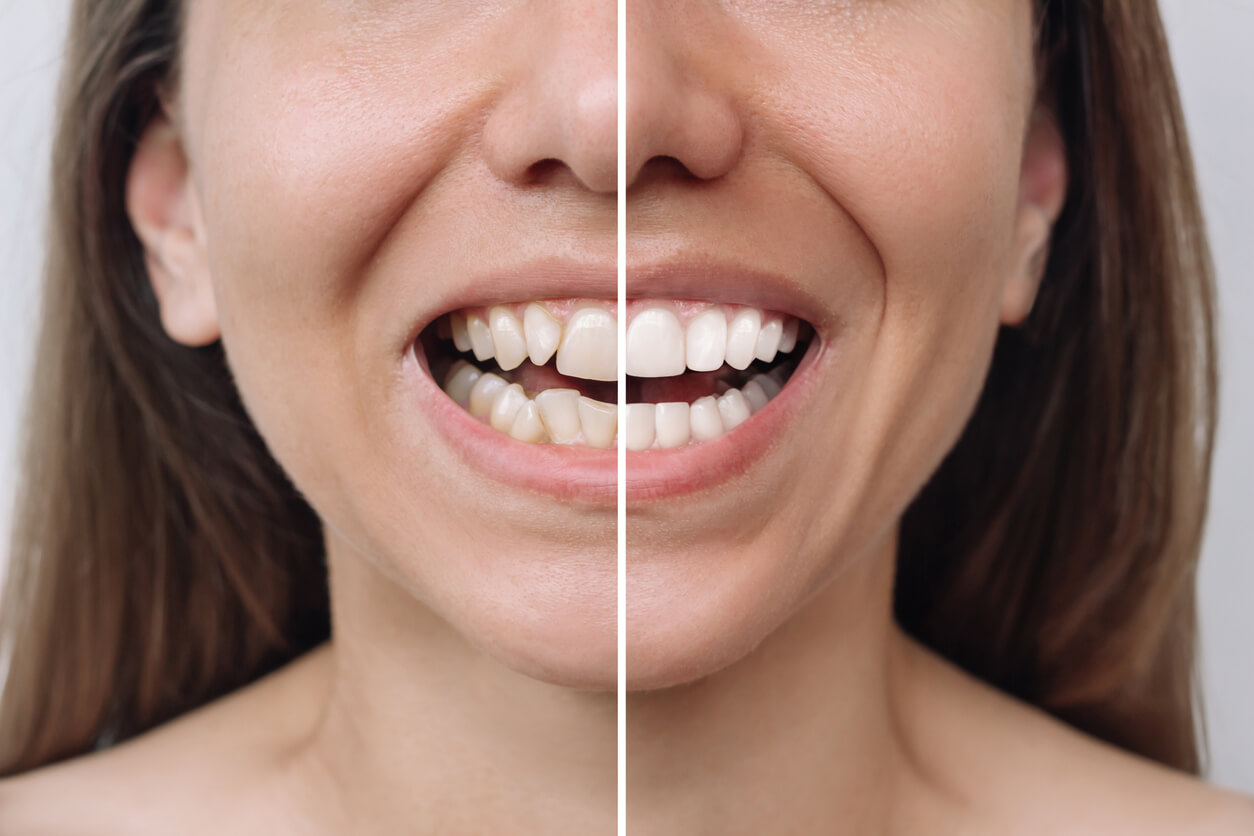
A major benefit of routine cleanings is eliminating the film of bacteria before it develops into hardened plaque. This proactive approach keeps your teeth clean and reduces the risk of tooth loss, cavities, and gum diseases.
Boosting Overall Health
Maintaining good dental health isn’t just about oral care—it’s a strong connection to your entire body’s health. Research shows a correlation between poor dental hygiene and chronic long-term health conditions like cardiovascular disease and diabetes. Regular cleanings help curb the risk of such health issues.
Early Detection of Problems
Routine cleanings provide opportunities for early identification of dental issues such as advanced gum disease. Detecting problems in their initial stages can prevent advanced diseases, avoiding more extensive cleaning and expensive issues requiring root planning and root canals.
Maintaining Oral Health Between Cleanings
Proper care between dental visits is crucial to protect your smile. Here are some key steps to maintain optimal oral health:
- Consistent Brushing. Brush your teeth twice daily using a toothbrush with a rotating head to remove plaque and maintain clean teeth effectively.
- Special Flossing Techniques. Utilize unique flossing methods to remove soft debris and minimize gum irritation effectively.
- Avoid Sugary Foods. Limit your intake of foods that plaque feeds on to prevent the growth of bacteria colonies.
- Stay Hydrated. Drink plenty of water throughout the day to keep your mouth moist, support fresh breath, and reduce the buildup of bacteria.
- Daily Oral Care Routine. Create and adhere to an oral care routine that incorporates consistent brushing and flossing to support healthy gums and maintain a bright smile.
Who Needs More Frequent Dental Cleanings?
- Smokers. People who smoke are at a higher risk for developing gum diseases and oral health issues, necessitating more frequent dental cleaning appointments to keep potential issues under control.
- Diabetics. Individuals with diabetes are more prone to infections, including periodontal disease, and may require frequent cleanings to maintain their oral health.
- People With a History of Gum Disease. Those who have previously dealt with advanced gum disease cases need regular monitoring and cleanings to prevent further advancement.
- Individuals with Poor Oral Hygiene. If you struggle with maintaining a consistent oral care routine, the buildup of tartar may require more regular professional cleanings.
- Family History of Dental Issues. Genetic factors can predispose individuals to certain dental conditions, making it beneficial to increase the frequency of teeth cleaning sessions.
- Patients With Certain Health Conditions. Health issues affecting the immune system might necessitate more frequent dental visits to prevent complications from arising in the oral cavity.
Protect Your Teeth, Enhance Your Health: Contact Smile Lake Anna Now!
Maintaining a regular teeth cleaning schedule is essential for ensuring that your oral health supports your overall well-being. By understanding how often you should get a dental cleaning and adjusting to your unique circumstances, you safeguard against potential dental issues and related health concerns. Regular visits enable early detection of problems, potentially saving you from more extensive dental procedures in the future.
If you’re ready to take the next step towards a healthier smile, why not start by scheduling your next dental cleaning? At Smile Lake Anna, our dedicated team provides exceptional dental services to meet your individual needs. Whether you’re due for a routine cleaning or require more frequent attention, we’re here to help you achieve optimal dental health. Contact us today to book your appointment, and let us assist you in maintaining a bright and beautiful smile.