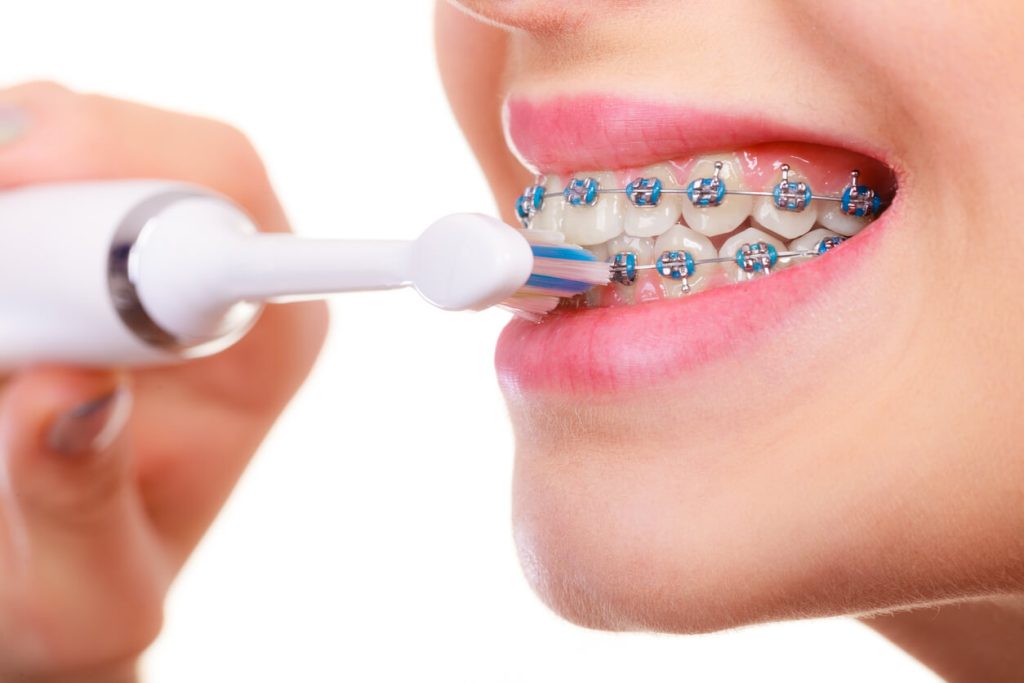
Braces are a great way to achieve a straight, beautiful smile, but they require extra care to maintain good oral hygiene. With proper daily habits and regular dental checkups, you can avoid issues like gum disease, cavities, and tooth decay. Consistent dental visits also help you avoid more complex and costly treatments down the line.
In this article, we’ll discuss how to maintain good oral hygiene with braces and some dos and don’ts to keep your smile and teeth healthy.
Tips to Maintain Optimal Oral Hygiene With Braces
Maintaining good oral hygiene with braces begins with effective daily habits. Here’s a step-by-step guide to keeping your smile healthy:
1. Brush After Every Meal
Brushing your teeth is more important than ever when you have braces. Food particles can get trapped easily, especially after eating.
Tips:
- Brush at least twice a day—preferably after every meal.
- For improved reach, use an electric toothbrush or one with soft bristles.
- Hold the brush at a 45-degree angle to clean above and below the brackets.
- Brush for at least 2 minutes, covering all tooth surfaces, brackets, and wires.
2. Floss Daily (Yes, You Still Need To!)
Flossing can be tricky with braces, but it’s key to removing plaque between your teeth.
Try these tools to make flossing easier:
- Floss Threaders: These help thread floss behind the wires.
- Orthodontic Floss: Pre-cut dental floss with stiff ends designed for braces.
- Water Flossers: These use a stream of water to clean between teeth and around brackets.
Aim to floss once a day to keep your gums healthy.
3. Use an Interdental Brush
An interdental brush (also called a proxy brush) is a small tool that fits between teeth and around braces. Use it to:
- Clean between the brackets and underwires
- Remove debris from hard-to-reach areas
- Reduce plaque buildup
You can use this daily, especially if you’re unable to brush immediately after meals.
4. Rinse With Mouthwash
Mouthwash helps reduce bacteria and freshens breath. Look for one with fluoride to help strengthen enamel and prevent decay.
Here are some important considerations for mouthwashes:
- Swish for 30 seconds following brushing and flossing.
- Choose a product without alcohol if your gums are sensitive.
- Rinsing once or twice a day can give your oral hygiene an extra boost.
5. Watch What You Eat
Certain foods can damage braces or get stuck in them, making cleaning harder.
Avoid:
- Sticky foods like gum or caramel
- Hard foods like popcorn, nuts, and ice
- Sugary snacks that promote plaque buildup
Do eat:
- Soft fruits, cooked vegetables, and tender proteins like eggs, tofu, and soft-cooked chicken or fish
- Pasta, yogurt, and cheese
- Soups and stews
Before consuming tougher foods, chop them into small bits. A healthy diet promotes general oral health in addition to protecting your braces.
6. Visit Your Dentist and Orthodontist Regularly
Routine checkups are crucial when you have braces. Your dentist will clean areas your brush can’t reach, and your orthodontist will ensure your treatment is on track. Schedule dental cleanings every 6 months (or more often if recommended) and as advised by your provider. Getting professional care helps you avoid long-term problems and enhances your daily routine.
7. Don’t Skip the Fluoride
Fluoride strengthens enamel and helps fight off cavities, which is especially helpful when braces are involved.
Ways to get fluoride:
- Use fluoride toothpaste
- Rinse with a fluoride mouthwash
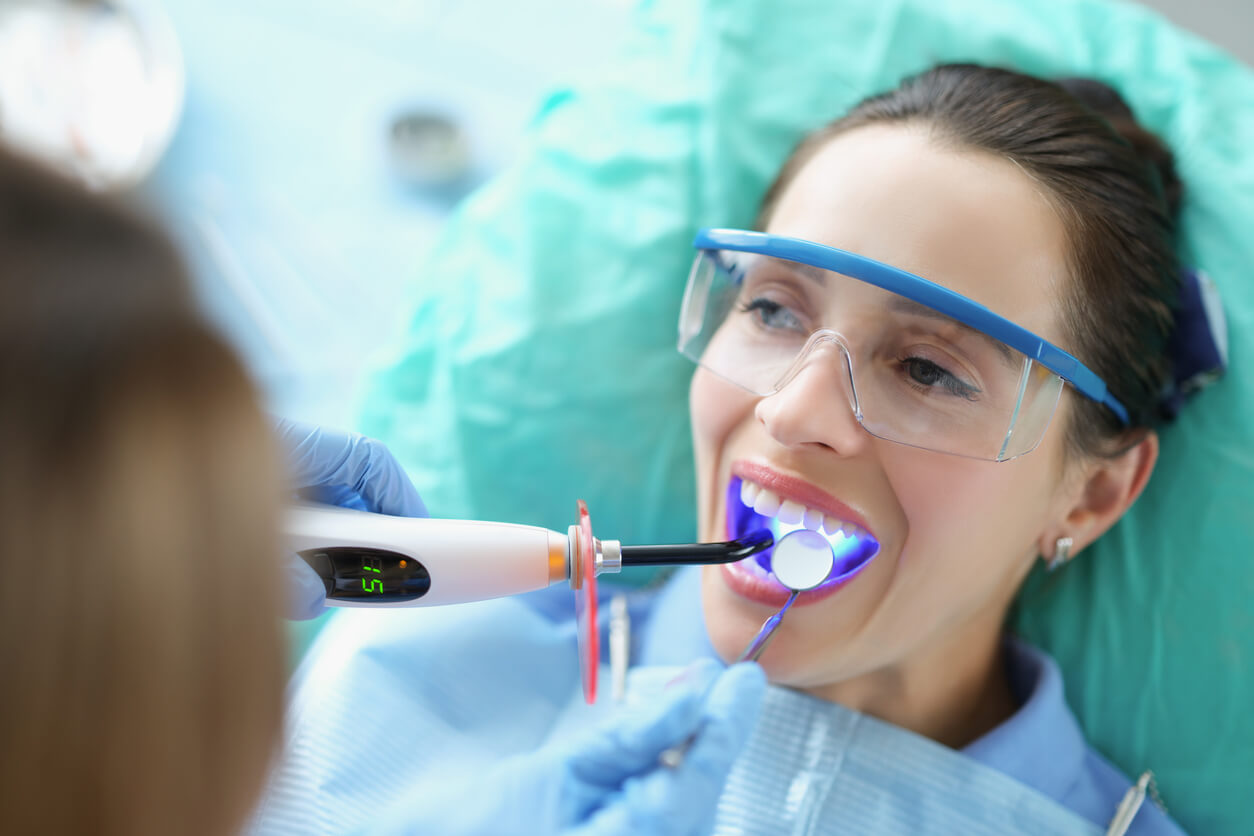
- Ask your dentist about professional fluoride treatments
What Food Should You Skip With Braces?
- Sticky Foods: Avoid caramel and gum, as they stick to braces and are hard to clean, which can cause oral health issues.
- Hard Foods: Avoid nuts and popcorn to prevent damage to your brackets.
- Sugary Foods and Drinks: Limit sodas and sweets to prevent tooth decay and gum disease.
- Crunchy Snacks: Skip chips and pretzels to avoid stressing your braces.
How to Manage Soreness Safely
Braces may cause discomfort, especially after adjustments. Soreness is common but manageable with a few simple tricks.
- Use orthodontic wax on sharp parts of the orthodontic appliance.
- To relieve sore gum tissue, rinse with warm salt water.
- Take mild pain relievers if needed (as recommended by your dentist).
- Avoid biting into hard foods directly, and stick to softer meals when your mouth feels sore.
Tools for Better Oral Care
- Electric Toothbrush: Offers thorough cleaning with rotating or oscillating bristles.
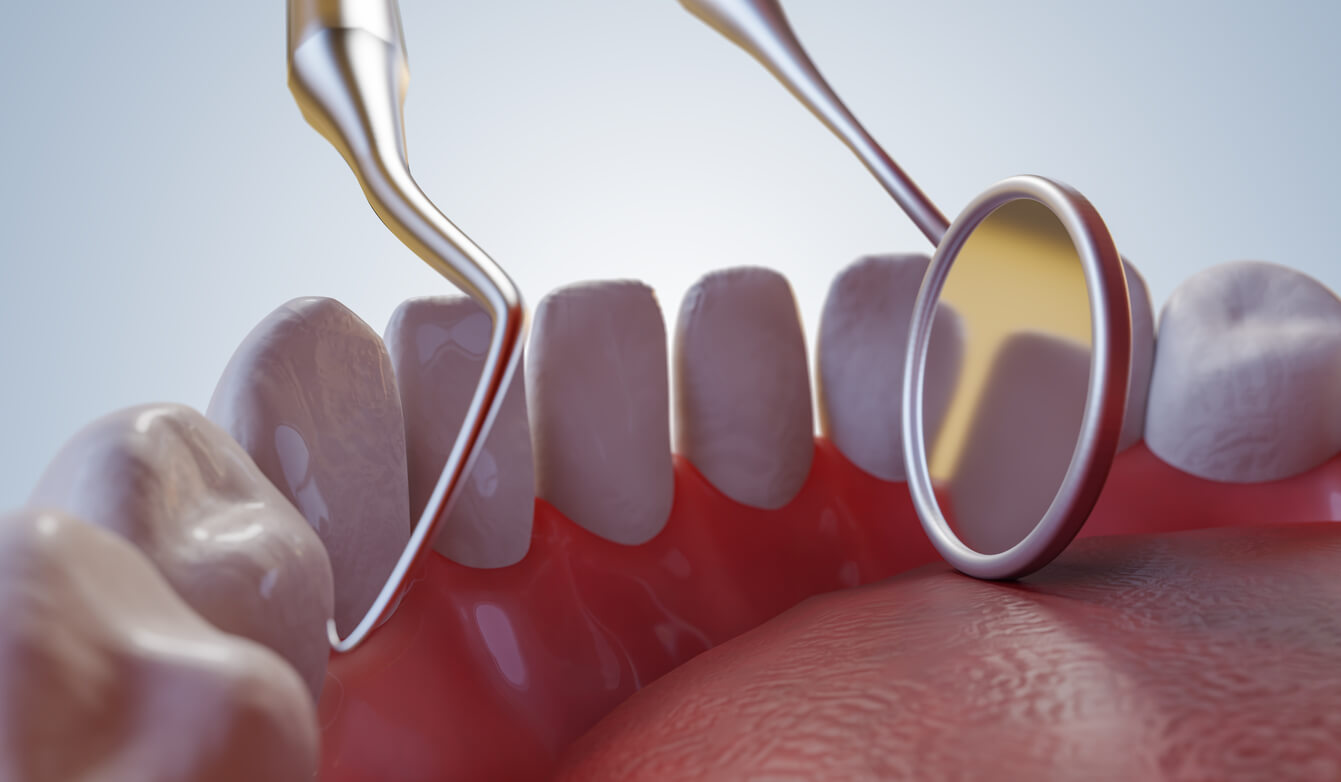
- Dental Mirror: Allows you to see areas you may miss during brushing.
- Orthodontic Toothbrush: Made to clean the area surrounding wires and brackets efficiently.
- Proxabrushes: Specifically designed for cleaning around orthodontic appliances.
- Floss Threaders: Helps guide floss between braces and teeth.
- Water Flosser: Uses a stream of water to clean between teeth and around braces.
- Interdental Brushes: These small brushes can clean between your teeth and braces.
- Antibacterial Mouthwash: Helps reduce bacteria and freshens breath.
- Orthodontic Wax: Cushions any sharp areas and prevents irritation.
These tools can help maintain an effective oral hygiene routine.
Do’s and Don’ts With Braces
|
✅ Do |
❌ Don’t |
|
Check your braces for loose wires |
Bite your nails |
|
Carry a travel dental kit |
Use your teeth to open packages |
|
Brush after eating sugary treats |
Skip brushing or flossing |
|
Drink lots of water |
Eat harmful foods like popcorn or caramel |
|
Clean retainer cases |
Neglect proper oral hygiene, as it can lead to dental issues. |
|
Keep orthodontic wax nearby |
|
|
Attend all dental appointments |
The Value of Regular Dental Exams When Wearing Braces
When you have braces, regular dental checkups are crucial for early detection of potential issues. Here’s why:
- Spot Issues Early: Routine checkups can help your dentist detect early indications of cavities, gum disease, or other issues surrounding braces. Regular dental checkups and cleanings also help prevent gum disease.
- Efficient Cleaning of Teeth: Braces can make it tough to clean your teeth completely. Professional cleanings during routine checkups can remove plaque and tartar that brushing might miss.
- Track Your Progress: Regular checkups let your orthodontist keep an eye on your progress and modify your treatment as necessary. They check for loose brackets or wires and make adjustments to keep your treatment on track.
- Save Time and Money: Catching dental problems early through regular checkups can prevent the need for more extensive and costly treatments later.
Get Expert Tips for Maintaining Healthy Teeth With Braces—Schedule Your Visit!
Taking care of your teeth with braces is essential to preserving proper oral hygiene and achieving a healthy smile. Regular dental visits help manage issues like plaque buildup and gum disease while catching problems with your braces before they worsen. Consistent checkups and proper care are essential for a successful orthodontic journey.
Looking for dependable dental care during your orthodontic treatment? Smile Lake Anna has got you covered! With services ranging from routine cleanings to specialized orthodontic care, we’re committed to keeping your smile in tip-top shape. You can trust Smile Lake Anna for expert guidance and friendly service in your journey to a perfect smile.
Ready to achieve your best smile? Schedule an appointment for professional advice and personalized support. Contact us today!