that may signal a dental emergency include persistent pain, noticeable swelling, heavy bleeding, a knocked-out tooth, or visible signs of infection.
One frequently asked question is, “Is a chipped front tooth an emergency?” Although a minor chip might not always require urgent attention, a chipped front tooth can become an emergency if it causes significant pain, makes it difficult to eat or speak, or impacts your appearance. In these situations, getting prompt dental care is essential to prevent further complications.
If you notice any of these warning signs or have concerns about a chipped front tooth, contact an emergency dentist right away. Don’t forget that regular dental visits and check-ups are also essential for catching small issues before they turn into urgent problems.
What Happens When You Chip a Tooth?
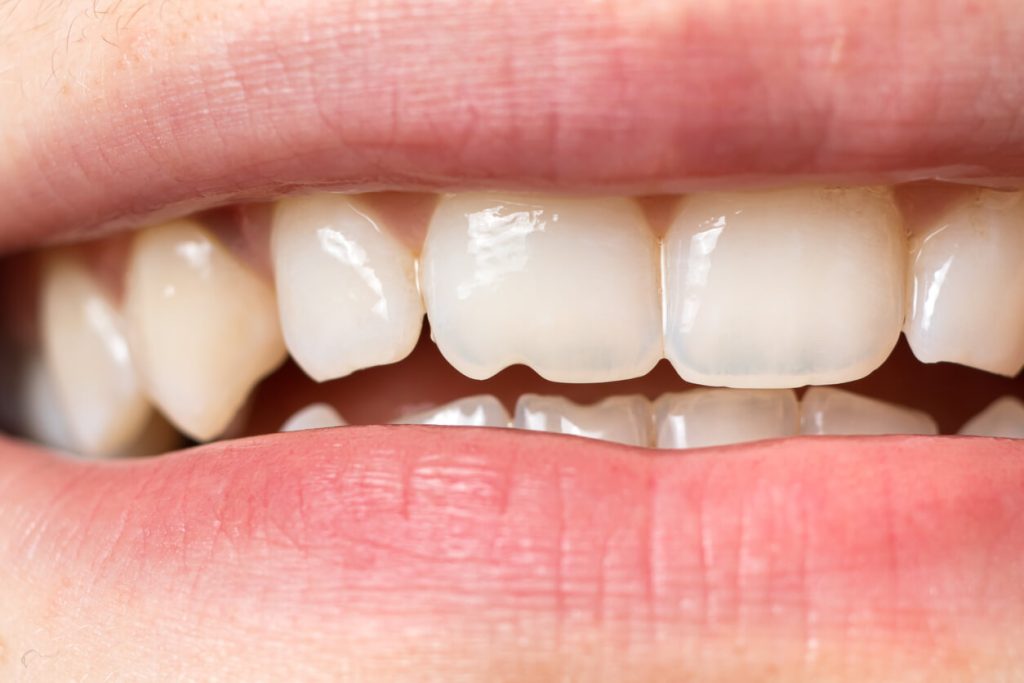
A chipped tooth means a piece of your tooth enamel (the hard, outer layer) has broken away, leaving a rough or jagged area. Sometimes, the chip goes deeper, affecting the dentin or even the pulp, which greatly increases the risk of pain, infection, and further dental complications.
Even a slightly chipped tooth might seem only cosmetic at first, but sharp or rough edges can harm your cheeks or tongue, and cracks in the enamel can allow bacteria to sneak in and cause tooth decay or sensitivity. Even if a chipped tooth appears minor, only a dentist can determine whether the underlying structure is at risk. Over time, a weak spot in tooth structure may cause more serious breaks or even tooth loss.
- Chewing hard foods, candies, or ice
- Sports injuries, falls, or other accidents
- Using teeth to open packages or bottles
- Nighttime teeth grinding (bruxism), especially without a mouth guard
No matter how minor a chip may look, it’s smart to have it checked by a dentist. Early evaluation keeps things simple and avoids more complex dental issues later.
Why Do Teeth Chip or Crack?
Chipped and cracked teeth are more common than you might think, affecting people of all ages. Sometimes a tooth chips or cracks suddenly from a specific event, while other times the damage builds up gradually due to daily habits or unnoticed wear.
Even a minor chip can indicate that your tooth is already weakened and may be at risk for further cracking or breaking if not addressed. It’s important to recognize what puts teeth at risk so that you can protect your smile from future injuries.
Here are some of the most frequent causes of chipped or cracked teeth:
- Accidents & Trauma: Participation in sports, unexpected falls, or impacts to the face are leading reasons for sudden chips and cracks. Protective gear—like mouth guards—can help reduce the risk during sports and physical activities.
- Biting Hard Objects: Chewing on ice, hard candy, popcorn, or non-food items such as pens can put too much pressure on your teeth, causing them to chip or fracture, sometimes without warning.
- Cavities & Tooth Decay: When decay weakens a tooth from the inside, the remaining enamel and structure are more vulnerable to breaking, even from mild pressure.
- Teeth Grinding (Bruxism): Regular clenching or grinding—often while sleeping—slowly wears down enamel and makes teeth more likely to chip or crack, especially without a custom-fitted mouth guard.
- Using Teeth as Tools: Opening bottles, ripping packaging, or holding objects in your teeth all put unnatural force on your teeth, increasing the risk for accidental chips and fractures.
- Extreme Temperature Changes: Quickly alternating between very hot and very cold foods or drinks can cause teeth to expand and contract rapidly, sometimes leading to tiny cracks over time. Though less common, sudden temperature extremes may contribute to enamel microfractures over time, especially in already weakened teeth.
- Large Fillings or Previous Work: Teeth that have large fillings, root canal treatment, or prior dental work may lose some of their natural strength and become more prone to cracks and chips.
If you find that a tooth has chipped, cracked, or is suddenly painful, especially after an accident or biting something hard, don’t ignore it. Early evaluation by your dentist can prevent the problem from getting worse and help save your tooth in the long run.
Is a Chipped Tooth Considered an Emergency?
Whether your chipped tooth is considered a dental emergency depends on the size of the chip, your symptoms, and the location. Compare these situations:
|
Minor Chip |
Major Chip or Broken Tooth |
|
Little to no pain Only enamel affected No bleeding Might feel rough or sharp See your dentist soon (within days) |
Severe pain or throbbing Bleeding or red/pink pulp exposed Swollen gums The tooth feels loose or cracked through Needs emergency dental care right away |
If you are unsure, play it safe—call your dentist or an emergency dentist to discuss your situation and next steps.
Signs It’s Time for Emergency Dental Care
Not every chipped or cracked tooth requires immediate attention from a dentist, but certain symptoms should never be ignored. Being able to spot these urgent warning signs could mean the difference between preserving your tooth and dealing with more serious issues, such as infection, worsening pain, or even permanent tooth loss.
If you notice any of the following after a dental injury, arrange an emergency dental appointment as soon as possible:
- Extreme Tooth Pain That Doesn’t Ease With Medication: Severe or throbbing pain could mean the tooth’s nerve is exposed or infected, which always requires urgent care.
- Visible Red or Pink Pulp Inside the Tooth: If you can see the tooth’s inner tissue (pulp), this means the tooth is exposed and highly vulnerable to infection, requiring immediate attention.
- Bleeding from the Gum or Tooth That Won’t Stop With Gentle Pressure: Persistent bleeding could signal a deeper injury or damaged blood vessels and should always be evaluated by a dentist.
- Jagged Edges That Cut Your Mouth: Sharp fragments can injure the tongue, cheeks, or lips, creating open sores or increasing your risk for infection.
- Loose Tooth, Missing Tooth, or Knocked-Out Tooth Following Trauma: These are serious emergencies. Quick dental intervention can sometimes reattach or save the tooth if addressed in time.
- Swollen Gums, Pus, or a Bad Taste (Possible Infection): Swelling, pus, warmth, or a persistent bad taste can indicate an infection brewing in the tooth or surrounding tissue. If it spreads, this can quickly become a medical emergency.
- A Chipped Front Tooth That Affects Eating, Speaking, or Confidence: If the chip changes your bite, makes eating or speaking painful, or is cosmetically distressing, professional attention is needed for both functional and emotional reasons.
- A Chipped Baby Tooth Where the Adult Tooth Could Be Affected: Children’s dental emergencies need prompt evaluation to ensure the developing permanent tooth stays healthy and aligned.
It’s especially important to seek immediate help if the dental injury was caused by a fall, sports accident, or any trauma.
How to Protect Sensitive Teeth from a Minor Chip
If you’re wondering, “Is a small chipped tooth an emergency? ” It’s important to know that while a slightly chipped tooth may not always cause immediate pain, it can still lead to sensitivity and discomfort. Pay close attention to new sensations, especially if you start noticing pain with hot, cold, or sweet foods.
Sensitivity in your slightly chipped tooth may mean the underlying dentin or even the pulp is exposed, and leaving it untreated might increase your risk for infection or a future root canal.
To keep discomfort to a minimum and protect your tooth until your dental visit:
- Use dental wax or sugar-free gum to cover any sharp or jagged edges and prevent irritation to your tongue and cheeks.
- Gargle with warm water to lower the risk of infection.
- If swelling develops, gently apply a cold compress to the outside of your cheek.
- Eat soft foods and try not to bite or chew with the affected tooth to avoid causing further injury.
- If you notice worsening pain, swelling, or bleeding, contact your dentist right away—even for what appears to be a small chipped tooth.
Don’t attempt home repairs or use adhesives, as these can cause further harm. Instead, let your dentist examine the tooth as soon as possible to ensure proper treatment and protect your long-term oral health.
How Dentists Fix Chipped or Broken Teeth
The best treatment for a broken or chipped tooth depends on several factors, including how severe the damage is, where the tooth is located, and whether the inner nerve or pulp is involved. After carefully assessing your situation, your dentist will recommend the most effective way to restore your tooth’s function and appearance while also helping to prevent any future dental issues.
Here are the usual treatment options your dentist may recommend:
Dental Bonding
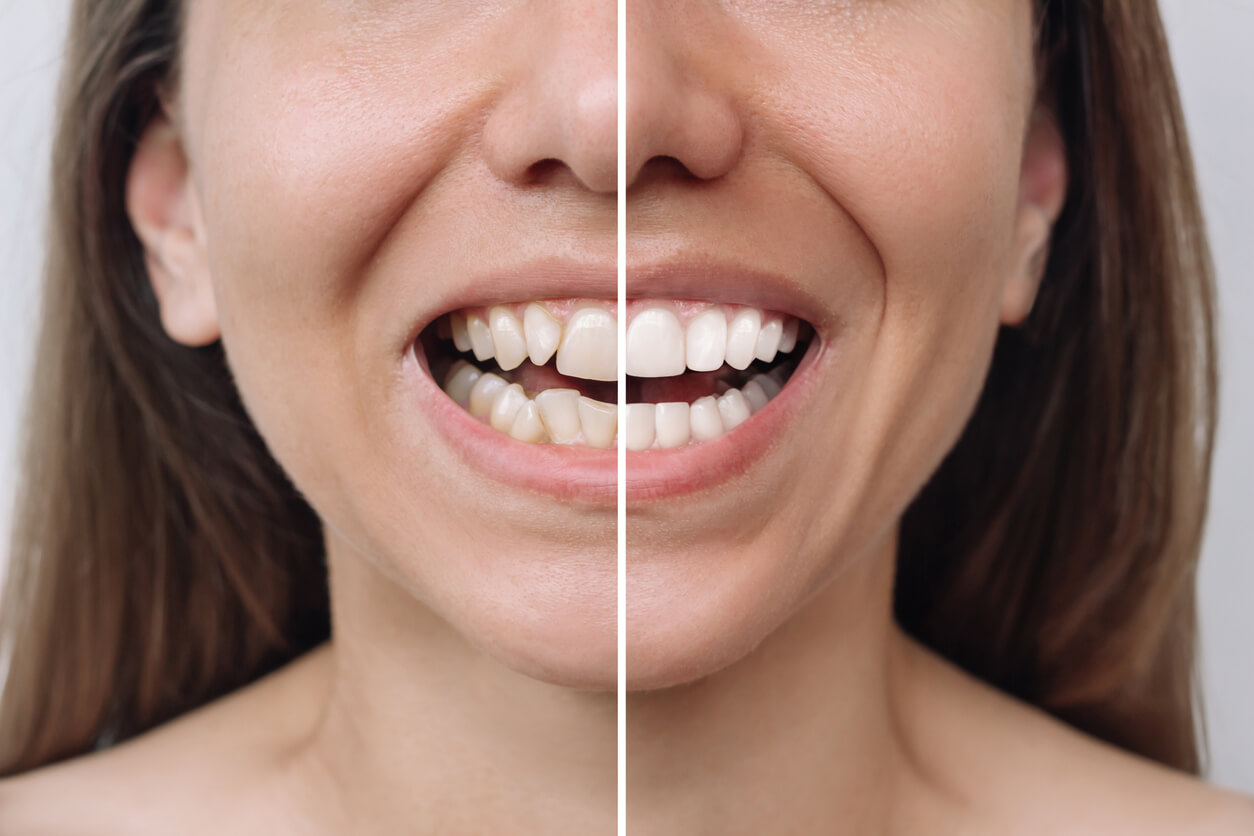
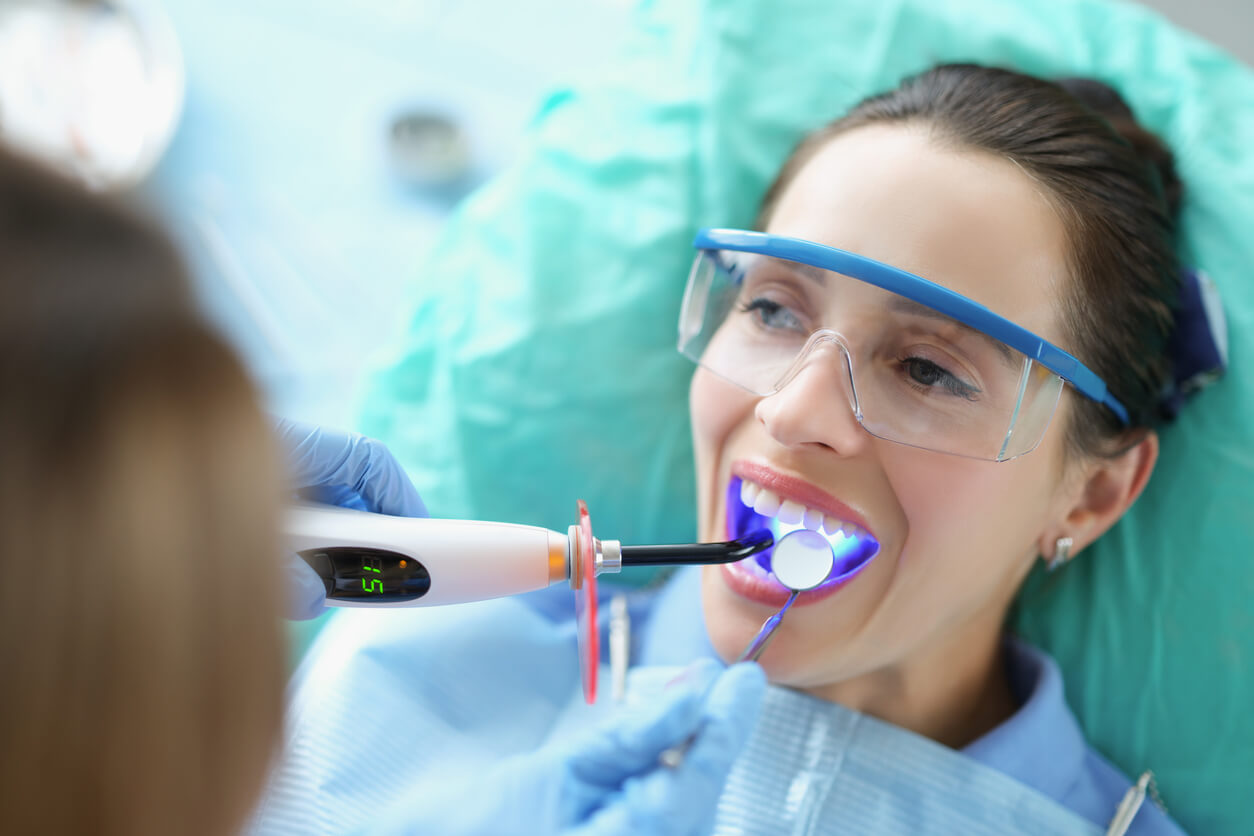
Dental bonding is a quick treatment, usually done in one visit. The dentist will apply resin to repair gaps, chips, or cracks. The resin is then shaped, hardened with a special light, and polished.
This is often the go-to solution for minor chips. A tooth-colored resin is shaped and bonded to the damaged area, restoring the natural look and feel of your tooth. It’s typically quick, painless, and blends in with your smile.
Dental Crowns
For deeper or larger breaks, a custom-made crown can cover the entire tooth to protect and strengthen it. Crowns are especially helpful when a chip has removed a significant portion of the tooth or when the tooth has existing fillings or damage.
Root Canal Therapy
Root canal therapy treats an infected or badly damaged tooth. The dentist removes the inner pulp, cleans and seals the root, and often covers the tooth with a crown. This process usually takes one or two appointments.
If the chip or crack goes deep enough to expose the pulp (the inner nerve tissue), root canal treatment may be needed. This removes the damaged nerve and infection, saves the tooth, and prevents further pain or spread of bacteria.
Dental Implant
In cases where the tooth is lost or severely damaged beyond repair, a dental implant offers a modern, long-term solution. A dental implant replaces the tooth with a lifelike, long-lasting solution that integrates with your jawbone.
Mouth Guards
If your chipped or cracked tooth was caused by teeth grinding or a sports injury, your dentist might recommend a custom mouth guard. This protects your teeth from future damage and can be especially important during sleep or physical activity.
Early dental treatment is the key to stopping pain, reducing the risk of infection, preserving as much natural tooth as possible, and helping you return to normal eating, speaking, and smiling with confidence.
Preventing Chipped Tooth Emergencies
While accidents can happen, many chipped and cracked teeth can be avoided with a few smart habits and a little extra care. Protecting your teeth now reduces your chances of sudden dental emergencies and helps ensure your smile stays healthy for years to come.
Here are some simple but effective ways to prevent chipped tooth emergencies:
- Visit Your Dentist Regularly: Routine dental check-ups and professional cleanings help spot weakened teeth, cavities, or early cracks before they become bigger problems. Your dentist can also offer tips on protecting your smile based on your unique needs.
- Brush and Floss Daily: Good oral hygiene prevents cavities and gum disease that can weaken teeth, making them more likely to chip. Use a fluoride toothpaste and don’t neglect the spaces between your teeth.
- Wear a Mouth Guard: If you’re into sports, suffer from bruxism, or grind your teeth at night, a custom-fitted mouth guard can cushion teeth against impact and grinding forces, significantly lowering your risk of chips and cracks.
- Avoid Biting Hard Objects: Say no to chewing on ice, hard candies, popcorn kernels, or non-food items like pens or fingernails. Even seemingly harmless habits can put extra stress on your teeth and cause unexpected chips.
- Don’t Use Your Teeth as Tools: Refrain from opening bottles, ripping tape, or holding items with your teeth—these actions can easily lead to breakage.
Taking these preventive steps helps you keep your teeth strong and lowers your risk of dental emergencies.
Take the First Step—Restore and Protect Your Smile with Prompt Dental Care
Whether you have a minor chip or a severe break, acting quickly is your best strategy for protecting your teeth and preventing complications. Severe pain, swelling, a knocked-out tooth, or trouble eating and speaking are clear signals that you need urgent dental care.
Even if your chipped tooth feels minor, having it checked by a professional brings peace of mind and helps maintain your long-term oral health. Taking quick action is important—prompt dental care can help keep your smile healthy for the long term.
If you’ve chipped or broken a tooth, the team at Smile Lake Anna is ready to help you feel comfortable again. Schedule your visit today for expert care that restores your smile with confidence.