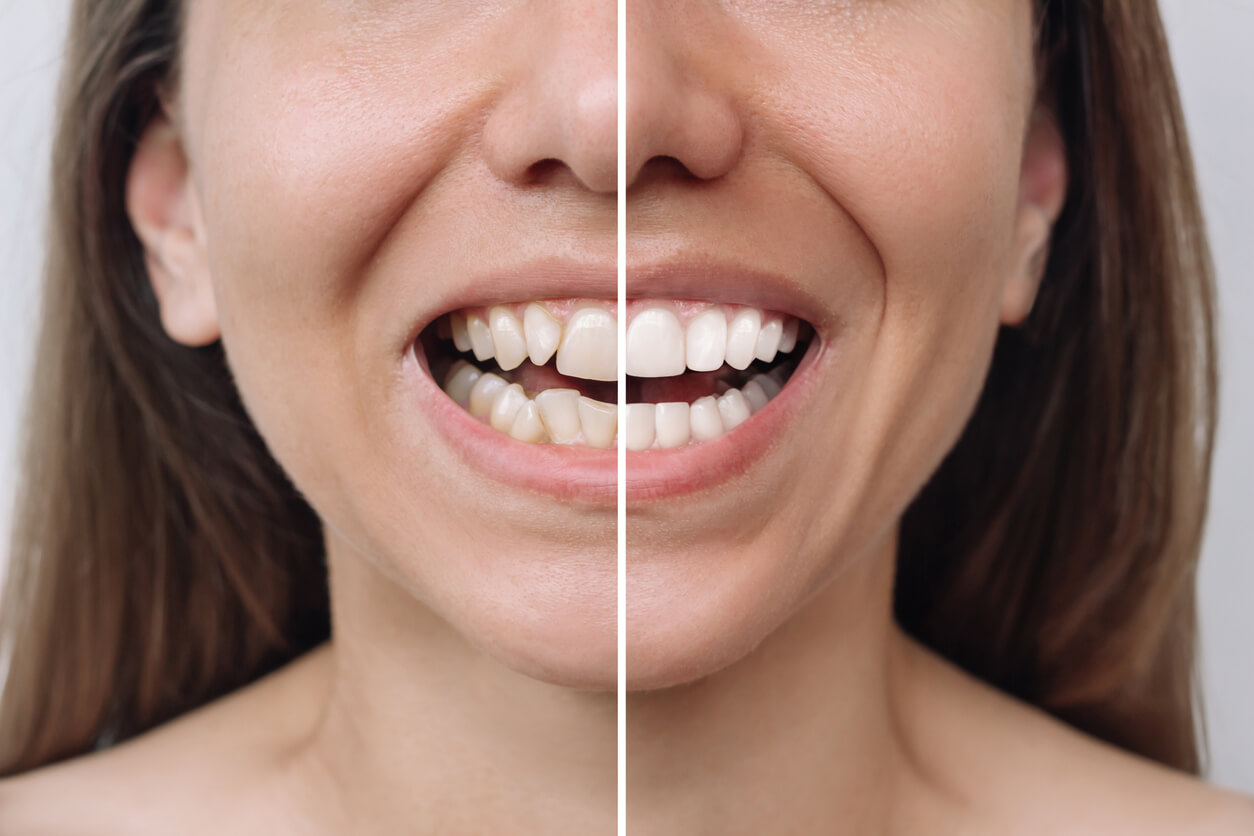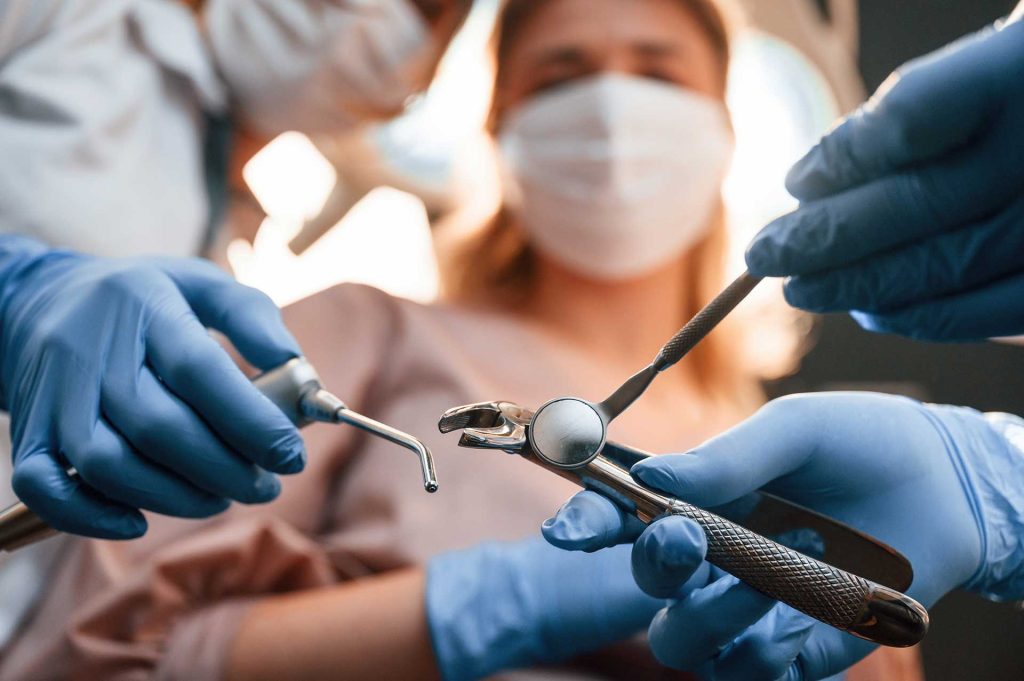
Did you know that what you eat after your wisdom tooth extraction can significantly impact your healing process? The aftermath of oral surgeries, including wisdom teeth removal, requires a high degree of care and attention, especially in terms of diet. Choosing soft foods that require minimal chewing can not only promote tissue repair and reduce discomfort but also help avoid potential complications such as infection or delayed recovery.
Why Is Eating the Right Food After Wisdom Tooth Extraction Important?
- Speeding Up the Healing Process. Consuming proper nutrition after the procedure can speed up the healing process. Foods rich in vitamins like A and C, minerals, and proteins are essential in tissue repair and wound healing.
- Minimizing Pain and Discomfort. Soft and easy-to-eat foods like mashed potatoes and ice cream can minimize pain and discomfort. Their malleable texture requires less effort to chew, reducing the strain on your healing gums and jaw.
- Reducing Risk of Post-Operative Complications. Consuming the right food can lower the risk of complications, like infection or dry socket. For instance, avoiding chewy, spicy, sticky, or crunchy foods can prevent the dislodgment of the blood clots that form after the extraction.
- Promoting Oral Health. Certain foods, like Greek yogurt and cottage cheese, not only nourish the body but also have properties that support oral health. They help boost the immune system, fight against bacteria, and reduce inflammation in your mouth.
- Ensuring Overall Wellness. Your well-being can also benefit from proper nutrition post-extraction. Besides aiding the healing process, eating the right food can also help maintain your energy levels and support the health of other body systems during the recuperation period.
What Can I Eat After Wisdom Tooth Extraction?
Cottage Cheese
Cottage cheese has a wonderfully soft texture, making it incredibly easy to consume after a wisdom tooth extraction. Not only that, but cottage cheese boasts a high protein content, which provides your body with essential nutrients necessary for the recovery process. Also, because it requires minimal chewing, cottage cheese is a perfect post-surgery food option.
Ice Cream
Ice cream is another excellent post-surgery food option, given its cold and creamy texture. The cold nature of ice cream can help numb the affected areas while also helping to minimize any swelling that might occur after surgery. However, make sure to choose a plain or smooth ice cream variant without any added crunchy bits, such as nuts or chocolate chips, which could cause discomfort or potential damage.
Mashed Potatoes
Mashed potatoes serve as a great option thanks to their soft texture and the fact that they require almost no chewing. That being said, they are rich in Vitamin C, which plays an essential role in tissue repair and healing. Importantly, consuming mashed potatoes will keep your body nourished without causing an unpleasant sensation in your mouth.
Greek Yogurt
Greek yogurt, loaded with protein and creamy in texture, is an ideal post-extraction choice. It not only offers vital energy but also provides nutrition without the fear of harming your recovering gums. You can even vary the flavors to keep things interesting while you heal.
Blended Soups
Blended soups are great options to make sure your intake of essential nutrients without any challenging chewing. The variety of flavors they offer can help satisfy your palate, preventing monotony in the diet. However, make sure the soup’s temperature remains moderate, as extremely hot foods or beverages can interfere with the blood clots that play a key role in the healing process.
Foods to Avoid After Your Dental Surgery
Spicy Foods
Spicy foods can significantly increase discomfort after oral surgery. The spices can cause severe pain and irritation around the surgical sites, which might result in prolonging the healing process. Thus, it’s recommended to stay away from hot and spicy foods for a few days after the procedure.
Chewy Foods
Consuming chewy foods like steak or hard bread comes with a risk of harming your sensitive gums. These types of food can potentially dislodge the blood clots formed post-surgery, which are important for the healing process. It’s best to opt for softer foods that require minimal chewing.
Acidic Foods
Acidic food items like oranges, grapefruits, or other citrus fruits can interfere with wound healing and enhance sensitivity. Extended exposure to acidity can aggravate the surgical site and increase the risk of infection. Try to limit your intake of acidic food and drinks until the healing process is complete.
Sticky Foods
Sticky foods, especially chewy candies, can stick to the surgical area, placing undue strain on it and interfering with the healing process. These types of food require extensive chewing that may strain the wound site and could potentially disrupt the healing clot. It’s best to avoid these for a while after your dental surgery.
Crunchy Foods
These include foods like corn chips or hard fruits, which require forceful chewing that can reopen the wounds and delay recovery. In addition, the tiny pieces from these foods could lodge into the surgical area, causing irritation or infection. That’s why it’s wise to stay away from crunchy foods until your dental surgeon gives you a green light.
When Can I Eat Normally After Wisdom Tooth Extraction?
After wisdom tooth extraction, it’s important to be gentle with what you eat to aid in the healing process. Generally, you can start eating soft foods within the first few days. As the tenderness and swelling decrease, usually after about a week, you can gradually introduce more solid foods. However, it’s best to avoid really hard or chewy foods for several weeks to prevent disrupting the surgical site. Always listen to your body and follow your dentist’s specific advice for the best recovery.
Minimize Your Post-Surgery Complications: Contact Us for Reliable Guidance
Choosing the right foods after wisdom tooth extraction is vital for a comfortable recovery. Smile Lake Anna, our dental professionals, recommend following these dietary guidelines to ensure a smooth healing process. By opting for soft, nutrient-rich foods and avoiding problematic choices, you can promote tissue repair and minimize the risk of complications.
Your diet plays a significant role in your recovery journey after oral surgery. For personalized guidance on your post-surgery diet, contact Smile Lake Anna today! Your oral health and comfort are our top priorities during your recovery period.