If your teeth feel chalky, rough, or oddly dry when you run your tongue across them, you’re not imagining it. That strange texture can show up suddenly after eating certain foods, or it can be something you notice more and more over time. Some people describe it as a chalkboard-like drag. Others call it a gritty feeling, grainy teeth, or rough teeth that never quite feel clean.
The good news is that chalky teeth do not always mean something serious is wrong. Sometimes the cause is temporary, like dry mouth, acidic foods, dehydration, or plaque buildup. In other cases, though, chalky teeth can point to enamel hypoplasia, poor enamel development, early dental decay, or a health condition called hypomineralization that affects how enamel forms.
At Smile Lake Anna, we believe it helps to understand what your mouth is trying to tell you. If your teeth feel chalky on a regular basis, this article will walk you through the most common causes of chalky teeth, what symptoms matter, and which treatment options may help protect your smile.
What does it mean when teeth feel chalky?
When people say their teeth feel chalky, they usually mean the surface of the tooth no longer feels smooth and glassy. Instead, the enamel may feel dry, powdery, rough, or slightly sticky. That chalky feeling can affect one tooth, several teeth, or the entire tooth surface throughout the mouth.
Healthy enamel is usually hard, slick, and polished-feeling. It is made of minerals that form tiny crystals, giving tooth enamel its strength. When enamel loses minerals, does not fully develop correctly, or becomes covered in plaque and debris, the texture can change. That is when chalky teeth, rough teeth, or even a gritty feeling may become noticeable.
Temporary reasons your teeth feel chalky or dry
Not every chalky feeling means there is permanent damage. Sometimes the explanation is surprisingly simple. Your mouth is a changing environment, and even small shifts in moisture, diet, or hygiene can make teeth feel different from one day to the next.
A dry mouth is one of the most common short-term reasons teeth feel chalky. Saliva acts like a rinse cycle for your mouth. It helps wash away food particles, buffer acids, and protect tooth enamel. When saliva levels drop, teeth can feel dry, grainy, and less smooth than usual.
Dehydration and dry mouth
If you are dehydrated, breathing through your mouth, taking certain medications, or waking up with your mouth open, your teeth may feel chalky first thing in the morning. That dry, almost dusty sensation can make even healthy enamel feel off.
Dry mouth can also increase the risk of tooth decay because saliva is part of your natural defense system. If the chalky feeling improves after drinking water, chewing sugar-free gum, or getting through the morning, dehydration may be the main issue. If it keeps happening, a dentist can help determine whether there is an underlying cause.
Acidic foods and drinks
Certain foods and drinks can temporarily change the feel of your enamel. Citrus fruits, soda, sports drinks, wine, tomatoes, and foods high in oxalic acid can leave teeth feeling less smooth. Spinach, beets, rhubarb, and some nuts contain oxalic acid, which can create that fuzzy or chalky sensation on the tooth surface.
This does not always mean your enamel is damaged. Sometimes it is just a temporary film or mineral interaction in the mouth. Still, repeated acid exposure can soften enamel over time. If your teeth often feel chalky after acidic foods, it is smart to rinse with water and wait a bit before brushing with a soft toothbrush.
Plaque buildup and surface residue
Sometimes chalky teeth are not about the enamel itself but what is sitting on top of it. Plaque, tartar, whitening products, mouth rinses, and even leftover toothpaste can cause rough teeth or a chalky feeling.
If your teeth feel dry or grainy by the end of the day, simple oral hygiene may be part of the answer. Brushing gently with a soft toothbrush, flossing well, and keeping regular cleanings can remove buildup that makes teeth feel rough. Poor oral hygiene can also allow harmful bacteria weakness in enamel to become a bigger problem, eventually leading to cavities and dental decay.
Enamel hypoplasia and other developmental causes
When chalky teeth are present for a long time, especially from childhood, the issue may go deeper than surface dryness. One of the most important causes of chalky teeth is enamel hypoplasia, a condition where the enamel does not form normally.
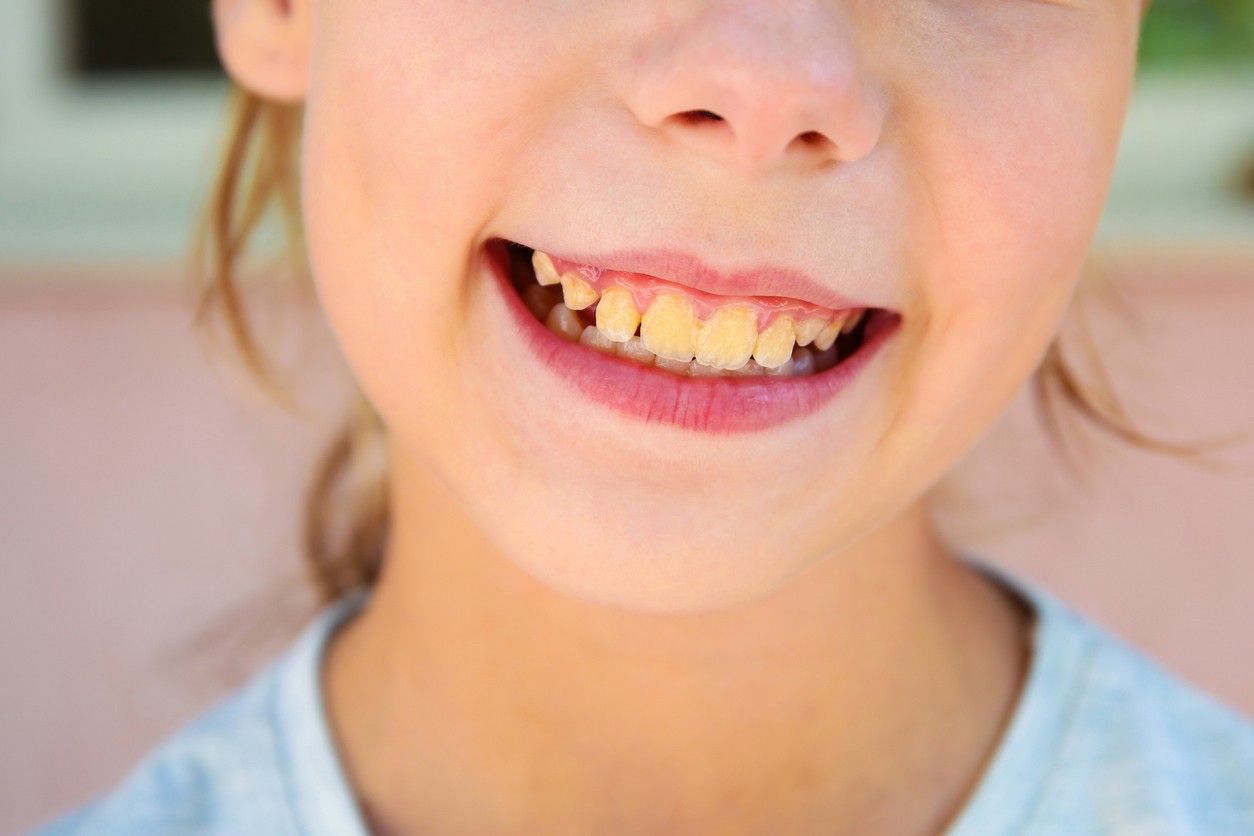
Enamel hypoplasia can affect baby teeth, permanent teeth, or both. In some children, the enamel is thinner than normal, softer than regular enamel, or uneven in texture. The tooth may appear dull, discolored, pitted, or marked by tiny grooves. Instead of a shiny surface, the enamel may look matte, patchy, or creamy white.
What is enamel hypoplasia?
Enamel hypoplasia refers to incomplete or defective enamel development. In simple terms, the tooth enamel did not build correctly while the tooth was forming. That leaves the tooth structure weaker and more vulnerable to wear, cold sensitivity, cavities, and damaged teeth later on.
Some people are born with congenital enamel hypoplasia due to genetic conditions. Others develop enamel hypoplasia because of environmental causes that interrupt enamel development during infancy or early childhood. This is one reason a child’s teeth may look or feel chalky soon after they erupt.
Hypomineralization and chalky molars
Another closely related issue is a health condition called hypomineralization. In this case, enamel may be present but poorly mineralized. That means the enamel does not harden the way it should. It may break down easily, appears dull, and often creates chalky molars or rough teeth.
This problem commonly affects the first permanent molars and sometimes the front teeth as well. Dentists may see chalky molars in children when the first permanent molars come in around age six. In some cases, a permanent molar or even an adult molar may chip, wear down, or develop cold sensitivity because the enamel is weak from the start.
Causes of chalky teeth in children
Many causes of chalky teeth begin early, long before the first tooth erupts. Enamel development starts during pregnancy and continues through early childhood. If something interferes with that process, baby teeth and later adult teeth may show signs of poor enamel development.
This is why dentists often ask about medical history, early illness, and birth complications when evaluating chalky teeth in children. The clues are not always in the mouth alone.
Prenatal problems and early birth factors
Prenatal problems can affect tooth development before a baby is even born. Maternal illness, nutritional deficiencies, infections, and complications during the third trimester may interfere with healthy enamel formation.
Premature birth and low birth weight are also known risk factors. A child born after premature birth may have a higher chance of enamel hypoplasia or hypomineralization because the teeth were still developing during a vulnerable stage. Low birth weight has also been linked to enamel defects in both baby teeth and permanent teeth.
Illness, nutrition, and environmental factors
Recurring high fevers, childhood infections, certain medications, and environmental factors may also disrupt enamel development. Vitamin deficiencies, especially low vitamin a and other nutritional shortfalls, can be a contributing factor in poor enamel development.
Children need strong nutritional support while teeth form tiny crystals and fully develop under the gums. Foods rich in calcium, phosphorus, and vitamin a help support healthy enamel. Dairy products, eggs, fish, and leafy greens can all play a role in stronger enamel development.
Causes of chalky teeth in adults
Adults can also experience chalky teeth, even if their teeth looked normal when they were younger. Sometimes the issue is developmental and only becomes obvious later. Other times, the enamel is being worn down or demineralized over time.
If you are experiencing chalky teeth as an adult, it is worth paying attention to whether the problem affects one area or many teeth, and whether you also notice sensitivity, staining, or visible changes.
Demineralization and early dental decay
One of the common causes chalky teeth in adults is enamel demineralization. This happens when acids and bacteria pull minerals out of tooth enamel faster than the mouth can replace them. The result may be white, chalky spots, rough teeth, and an increased risk of tooth decay.
This is often an early warning sign. Before a cavity forms, enamel may start to look dull or feel rough. If caught early, a dentist may be able to strengthen the area and prevent deeper dental decay. Left alone, those chalky areas can turn into cavities and eventually require fillings or more involved treatment.
Wear, trauma, and existing dental work
Dental trauma can damage enamel and leave one tooth feeling rough or uneven. Grinding, clenching, aggressive brushing, or acidic erosion can also wear enamel down until the surface feels less smooth.
Certain restorations may affect texture too. Older dental amalgam fillings or newer resin based composite fillings do not usually cause chalky teeth on their own, but the edges around them may feel rough if the tooth is worn, leaking, or collecting plaque. A dentist can check whether the issue is the enamel, the restoration, or both.
Symptoms that may show chalky teeth need attention
A chalky texture by itself is not always alarming, but some symptoms suggest the problem deserves a closer look. If the enamel is weak, the tooth may not just feel strange. It may start behaving differently too.
You should pay closer attention if chalky teeth come with pain, visible spots, or repeated breakdown. Those signs can point to enamel hypoplasia, active tooth decay, or other structural problems.
Sensitivity, spots, and rough texture
Cold sensitivity is one of the biggest clues that enamel is compromised. If ice water, cold air, or sweet foods suddenly bother you, the tooth enamel may be thinner or softer than it should be.
You might also notice white patches, yellow areas, brown spots, rough teeth, tiny grooves, or irregular wearing on the biting edges. Some teeth may look abnormally small teeth can appear with certain developmental conditions, and some teeth may chip more easily than expected.
Repeated cavities or damaged teeth
Chalky teeth are more likely to trap plaque and wear down quickly. That creates an increased risk of cavities, especially in children whose enamel never formed normally. If your child keeps getting cavities in the same spots, or if an adult tooth breaks down earlier than expected, weak enamel may be part of the reason.
Damaged teeth, recurring dental decay, and sensitivity in first permanent molars are all signs that a dentist should evaluate the enamel more closely. Early treatment often makes a big difference.
How a dentist diagnoses chalky teeth
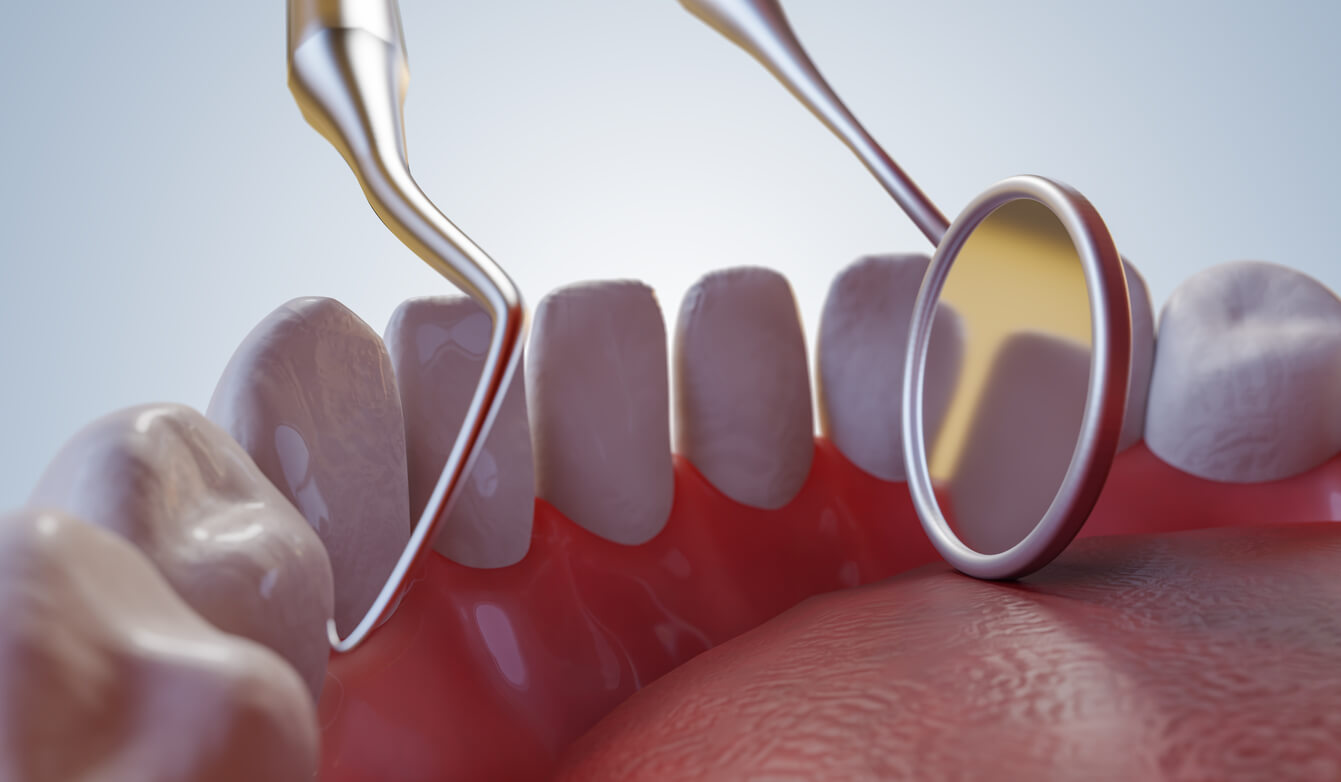
A dentist will usually start with a visual exam and ask about symptoms, medical history, and when the chalky feeling began. Texture, color, and location all matter. Chalky teeth caused by dry mouth look different from enamel hypoplasia or active tooth decay.
Digital imaging can help reveal whether the enamel is thin, whether decay has started, or whether deeper parts of the tooth are affected. At Smile Lake Anna, modern imaging and digital scans help patients see what is happening clearly instead of guessing.
If the concern involves a child’s teeth, the dentist may ask about premature birth, low birth weight, prenatal problems, recurring high fevers, or other environmental factors that could have interrupted enamel development. This history helps identify the causes of chalky teeth and guide the right treatment.
Treatment options for chalky teeth
Treatment options depend on the cause. There is no single fix for all chalky teeth because the problem might be dryness, demineralization, enamel hypoplasia, or active decay. The right treatment starts with knowing which one you are dealing with.
In mild cases, treatment may focus on strengthening enamel and reducing sensitivity. In more advanced cases, the goal may be to protect weak tooth structure and prevent further breakdown.
Remineralization and preventive care
If chalky teeth are caused by early mineral loss, fluoride treatments, prescription-strength toothpaste, and diet changes may help support healthy enamel. Drinking more water, reducing acidic foods, and improving simple oral hygiene can make a real difference.
A soft toothbrush and non-abrasive toothpaste are especially helpful when enamel feels fragile. Your dentist may also recommend sealants. In some children with chalky molars or weak first permanent molars, a resin bonded sealant can help shield the surface from wear and cavities. In some cases, another resin bonded sealant may be placed later if the original wears down.
Bonding, microabrasion, and restorations
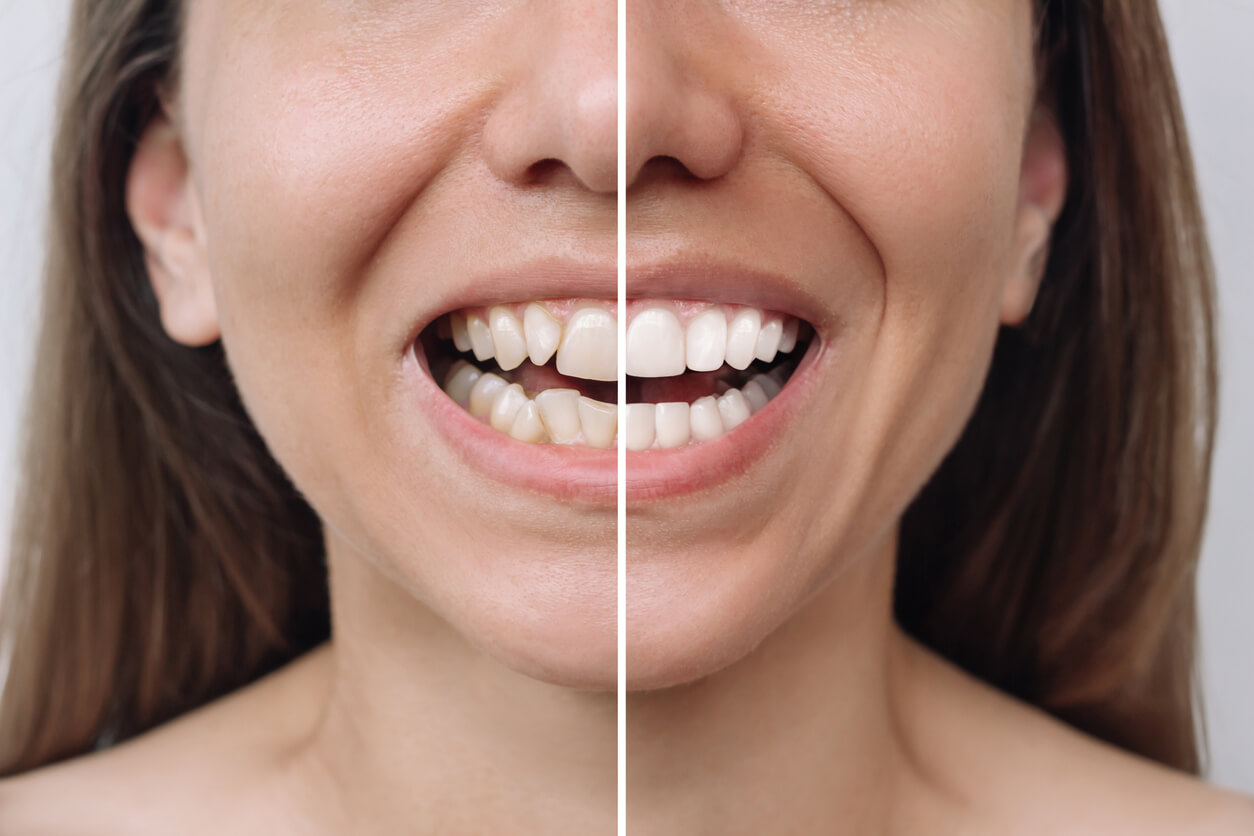
For visible chalky spots or rough enamel, enamel microabrasion may sometimes improve appearance by smoothing superficial defects. This works best in selective cases and is not right for every type of enamel hypoplasia.
If the enamel is weak or breaking down, bonding or fillings may be needed to protect the tooth. Resin based composite fillings are often used to rebuild areas affected by dental decay or enamel defects. If a tooth is severely damaged, more extensive treatment may be recommended.
Care for severe enamel defects
In severe cases of enamel hypoplasia or congenital enamel hypoplasia, the tooth may need more protection than a filling can provide. Crowns or other restorations may be needed to support the entire tooth and reduce sensitivity.
Children with enamel defects may also develop orthodontic problems later if the teeth wear unevenly or erupt abnormally. That is another reason early treatment matters. The sooner weak enamel is identified, the better the chances of protecting both function and appearance.
Can you prevent chalky teeth?
Some causes of chalky teeth cannot be prevented completely, especially when genetic conditions or prenatal problems are involved. But many cases of enamel damage, demineralization, and surface roughness can be reduced with the right habits.
Good prevention starts with protecting enamel every day. That means staying hydrated, brushing gently, flossing daily, limiting acidic drinks, and seeing a dentist regularly. It also means paying attention when your teeth stop feeling normal.
For children, prevention includes a healthy diet during pregnancy and early childhood, regular dental visits, and watching for signs that baby teeth or permanent teeth are erupting with unusual texture or color. If a first tooth comes in looking chalky, it is worth having it checked rather than waiting.
When to see a dentist in the Lake Anna area
If your teeth feel chalky once after a salad with spinach or after waking up dehydrated, it may not be a big deal. But if the chalky feeling keeps returning, your teeth feel rough all the time, or you notice sensitivity, spots, or cavities, it is time for a professional exam.
At Smile Lake Anna, we help patients from Lake Anna, Spotsylvania County, Fredericksburg, and nearby communities get clear answers about changes in their oral health. Whether the issue is dry mouth, enamel hypoplasia, tooth decay, or another cause, getting the right treatment early can help you avoid more extensive problems later.
Final thoughts on chalky teeth
Chalky teeth can mean something as simple as dryness, or they can be a sign that the enamel never formed properly or is starting to break down. The texture matters because it often points to what is happening beneath the surface.
If your teeth feel chalky, do not ignore it. A smooth tooth surface is usually a sign of strong, healthy enamel. When teeth start to feel rough, grainy, or dry, your mouth may be signaling that it needs attention. A dentist can pinpoint the causes chalky teeth are linked to and recommend treatment options that protect your smile for the long term.
If you are in the Lake Anna area and have questions about chalky teeth, sensitivity, or rough enamel, scheduling an exam is a smart next step. Sometimes the smallest change in how your teeth feel is the first clue that helps prevent bigger dental problems later.