Biting down should be automatic. You take a sip of coffee, tear into a sandwich, or chew dinner without giving it a second thought. So when one tooth suddenly sends a sharp signal through your jaw every time you bite, it gets your attention fast. Tooth pain when biting can feel small at first, but it has a way of hijacking your day. You start chewing on one side, avoiding certain foods, and wondering whether it is something minor or the start of a bigger problem.
The short answer is this: teeth usually hurt when you bite down because something is inflamed, damaged, infected, cracked, loose, or under too much pressure. The tricky part is that several different dental problems can cause almost the same symptom. A sore tooth when chewing does not always mean a cavity, and it does not always mean you need a root canal either. The only way to know for sure is to have it evaluated.
At Smile Lake Anna, patients often come in saying the same thing in slightly different words: “It hurts when I chew,” “I can’t bite on this side,” or “This tooth feels fine until I put pressure on it.” Those details matter. The timing of the pain, how sharp it feels, whether it lingers, and whether the tooth is sensitive to hot or cold all help narrow down what is going on.
What Does Tooth Pain When Biting Usually Mean?
When a tooth hurts under pressure, it usually means the structures that support or protect that tooth are irritated. That could be the pulp inside the tooth, the ligament around the root, the gum tissue, or the tooth itself. Think of it like a table with one uneven leg. The problem may look small from the outside, but the moment pressure hits it, everything shifts and you feel it.
Sometimes the pain is obvious and intense, like biting onto a cracked tooth. Other times it is more subtle, like a dull ache that only shows up when chewing firmer foods. Pain while biting can come from decay, an old filling that no longer fits correctly, a hidden fracture, teeth grinding, gum disease, sinus pressure, or infection near the root. In some cases, the problem is not the tooth you think it is. Pain can radiate and make it feel like the wrong tooth is to blame.
That is one reason modern imaging and a careful exam matter so much. At Smile Lake Anna, digital scans and detailed imaging help identify what is happening early, so patients are not left guessing or treating the wrong issue.
Common Reasons Your Tooth Hurts When You Bite Down
There is no single explanation for tooth pain when biting, but there are several common causes dentists see again and again. Some are relatively straightforward. Others are sneaky and only show themselves under pressure.
If your tooth hurts when you bite down, one of these may be the reason.
A Cracked Tooth
A cracked tooth is one of the most common causes of sharp pain when biting. Sometimes the crack is visible, but often it is not. You may not see anything in the mirror, and the tooth may look perfectly normal on the surface. But when pressure spreads the crack slightly, the nerves inside react immediately.
People often describe this kind of pain as quick and electric, like stepping on a loose floorboard that snaps back. You bite down, feel pain, then release pressure and feel it again. Cracks can happen from chewing ice, grinding your teeth, trauma, or simply years of wear. The sooner a cracked tooth is found, the better the chance of saving it with a crown or other treatment before the damage spreads.
Tooth Decay or a Cavity
A cavity can absolutely cause pain when chewing, especially if the decay has reached deeper layers of the tooth. Early cavities may not hurt at all, but once bacteria move closer to the nerve, pressure can trigger discomfort.
This type of pain may come with sensitivity to sweets, cold drinks, or brushing. If left untreated, decay can turn into infection, and what started as a small spot can become a much bigger repair. Cavities do not always announce themselves dramatically. Sometimes they whisper first.
An Infected Tooth or Dental Abscess
An infected tooth can make biting feel unbearable. Infection causes inflammation and pressure around the root, so even normal chewing can feel like pressing on a bruise buried deep in the jaw.
You may also notice swelling, gum tenderness, bad taste, sensitivity to hot or cold, or pain that keeps you awake at night. In some cases, the pain comes and goes, which can fool people into thinking the problem is getting better. It usually is not. A tooth infection needs prompt treatment, often with root canal therapy or extraction depending on the severity.
A Loose, Worn, or Damaged Filling or Crown
If you have dental work on the tooth that hurts, the restoration itself may be the issue. A filling or crown that is loose, cracked, worn down, or sitting too high can create uneven pressure when you bite.
That can make the tooth feel sore, unstable, or oddly “off” when your teeth come together. Sometimes the fix is simple, like adjusting the bite or replacing the restoration. Other times there is decay or damage underneath that needs more involved treatment. Either way, if a previously treated tooth starts hurting when chewing, it is worth checking right away.
Teeth Grinding or Clenching
Grinding and clenching can make teeth sore even if there is no cavity or crack visible at first. A lot of people do this in their sleep and have no idea until they wake up with jaw tension, headaches, or teeth that feel tender when biting.
The pressure from grinding is enormous. Over time, it can inflame the ligament around the tooth root, wear down enamel, contribute to cracks, and aggravate TMJ issues. If your tooth pain seems worse in the morning or comes with jaw soreness, clenching may be part of the picture.
Gum Disease or Gum Recession
Sometimes the pain is not coming from inside the tooth at all. Gum disease can weaken the support around the tooth and make it painful to chew. Inflamed gums, deep pockets, and bone loss can all contribute to tenderness when pressure is applied.
Gum recession can also expose sensitive root surfaces, making certain teeth react more strongly to pressure and temperature. If your gums bleed, look swollen, or seem to be pulling away from the teeth, the discomfort may be tied to periodontal problems rather than decay alone.
Sinus Pressure in Upper Teeth
This one surprises people. Sinus congestion or infection can create pressure that feels like tooth pain, especially in the upper back teeth. The roots of those teeth sit close to the sinus cavities, so inflammation there can make chewing uncomfortable.
If several upper teeth feel sore at once, or the pain seems to flare with congestion, allergies, or a head cold, your sinuses may be involved. That said, sinus pressure and dental problems can overlap, so it is still smart to have a dentist rule out a true tooth issue.
Signs Your Tooth Pain May Be More Serious
Not every painful bite means a dental emergency, but some symptoms should move you from “I’ll wait and see” to “I need to get this checked.” Teeth do not tend to heal themselves. If the pain keeps returning, there is usually a reason.
Call a dentist promptly if you notice swelling, pus, fever, persistent throbbing, pain that wakes you up, a bad taste in your mouth, a cracked tooth, or a tooth that feels loose. Pain that lingers after chewing or sensitivity that hangs on after hot or cold exposure can also point to deeper nerve involvement.
Even if the pain is not severe, recurring discomfort when biting is worth attention. Many dental issues are easier and less expensive to treat when caught early. A small crack is easier to protect than a split tooth. Mild inflammation is easier to manage than a full-blown infection.
How Dentists Diagnose a Tooth That Hurts When Chewing
Finding the cause of biting pain is part detective work, part science. Your dentist will usually ask when the pain started, whether it is sharp or dull, whether it happens on biting or release, and whether hot, cold, or sweets make it worse.
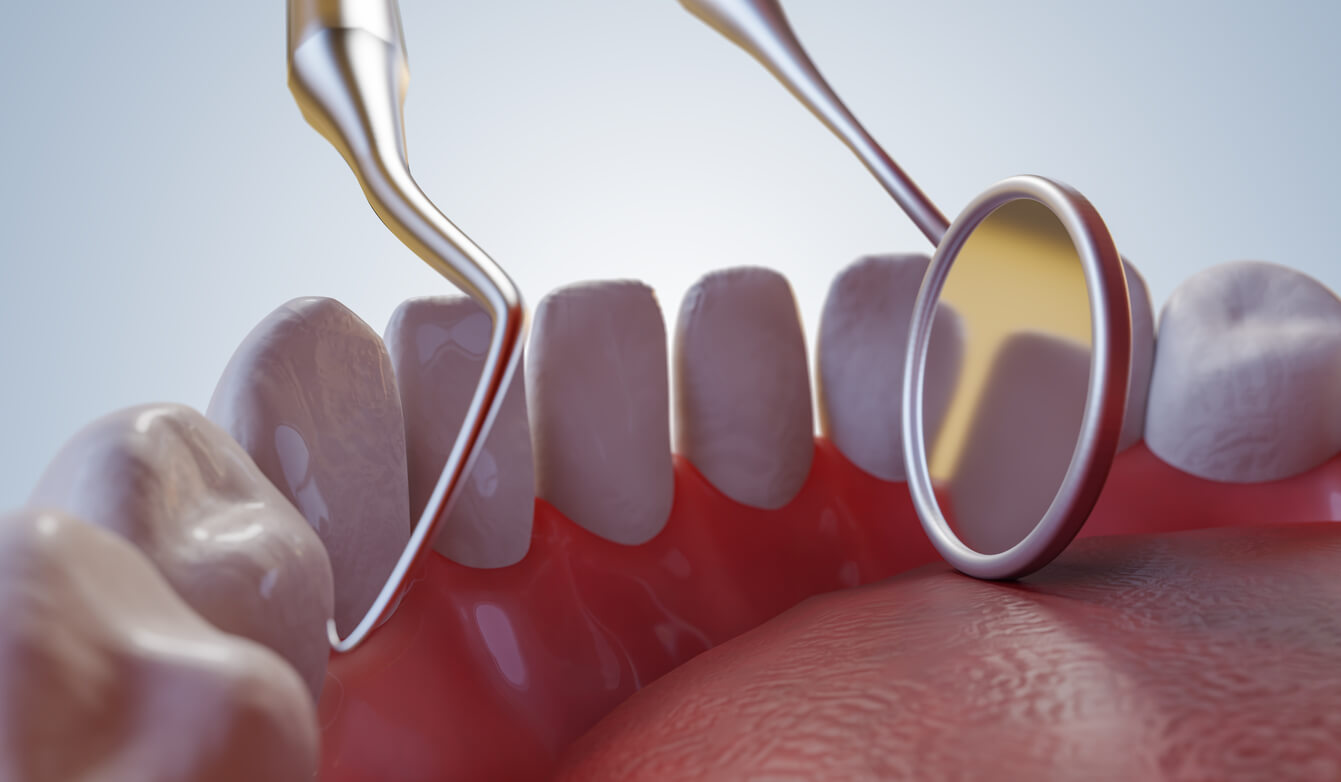
A clinical exam may include checking the gums, testing the bite, tapping on the tooth, evaluating existing restorations, and looking for signs of cracks or infection. Digital x-rays and advanced imaging can reveal decay, bone loss, infection near the root, or damage that is not visible from the outside. In some cases, a special bite test helps pinpoint a cracked tooth.
At Smile Lake Anna, this kind of clear, informed evaluation is part of the experience. Patients are not left wondering what is happening. The goal is to identify the real source of the pain and guide the right next step.
Treatment for Tooth Pain When Biting
Treatment depends entirely on the cause. There is no one-size-fits-all fix, because a cracked tooth and a sinus issue may feel similar but require completely different solutions.
If the problem is a cavity, treatment may involve a filling or crown. If there is infection inside the tooth, root canal treatment may be needed to remove the damaged tissue and save the tooth. A cracked tooth might need bonding, a crown, or in severe cases extraction if the crack extends too far. If a filling or crown is the problem, adjusting or replacing it may solve the issue.
For gum disease, periodontal treatment can reduce inflammation and improve support around the tooth. If grinding or clenching is contributing, a custom night guard may help protect your teeth and reduce pressure. And if the issue is related to your bite alignment, minor adjustments can sometimes make a big difference.
The best treatment is the one that addresses the root of the problem, not just the symptom. That is one of the things patients appreciate about a practice focused on long-term oral health rather than quick patchwork.
What You Can Do at Home Before Your Appointment
If your tooth hurts when you bite down, avoid chewing on that side until you can be seen. Stick to softer foods and skip anything very crunchy, sticky, or hard. Keep the area clean by brushing gently and flossing carefully, unless flossing causes severe pain.
You can rinse with warm salt water to soothe irritated tissue, and an over-the-counter pain reliever may help if you are able to take it safely. If there is swelling, a cold compress on the outside of the face can reduce discomfort.
What you should not do is ignore the pain and hope it disappears on its own. And do not place aspirin directly on the gums or tooth. That old home remedy can burn the tissue and create a second problem you definitely do not need.
When to See a Dentist for Tooth Pain When Biting
If the pain lasts more than a day or two, keeps coming back, or gets worse when chewing, it is time to schedule an appointment. The same goes if you have swelling, visible damage, gum tenderness, or sensitivity that has changed recently.
For patients in Lake Anna, Spotsylvania County, Fredericksburg, and nearby communities, having one office that can handle everything from diagnosis to restorative and emergency dental care makes the process easier. You do not want to bounce between offices while trying to figure out why one tooth suddenly feels like the weak link in the chain.
At Smile Lake Anna, patients can get a thorough evaluation using modern imaging and a treatment plan that makes sense for both the short term and the long term. Whether the issue turns out to be a cavity, crack, infection, or bite problem, getting answers early can help you avoid more extensive treatment later.
Do Not Wait for a Small Toothache to Become a Bigger Problem
Tooth pain when biting is your mouth’s way of waving a red flag. Sometimes that flag means a minor fix. Sometimes it points to something deeper that needs prompt attention. Either way, pain when chewing is not normal, and it should not be brushed off as one of those things you just live with.
If one tooth hurts every time you bite down, let a dentist take a closer look. The sooner the cause is identified, the better your chances of keeping treatment simple, comfortable, and effective.
If you are dealing with tooth pain when biting in Lake Anna, Spotsylvania, or the Fredericksburg area, contact Smile Lake Anna to schedule an exam. Clear answers and the right treatment can help you get back to eating, talking, and smiling without flinching every time your teeth come together.