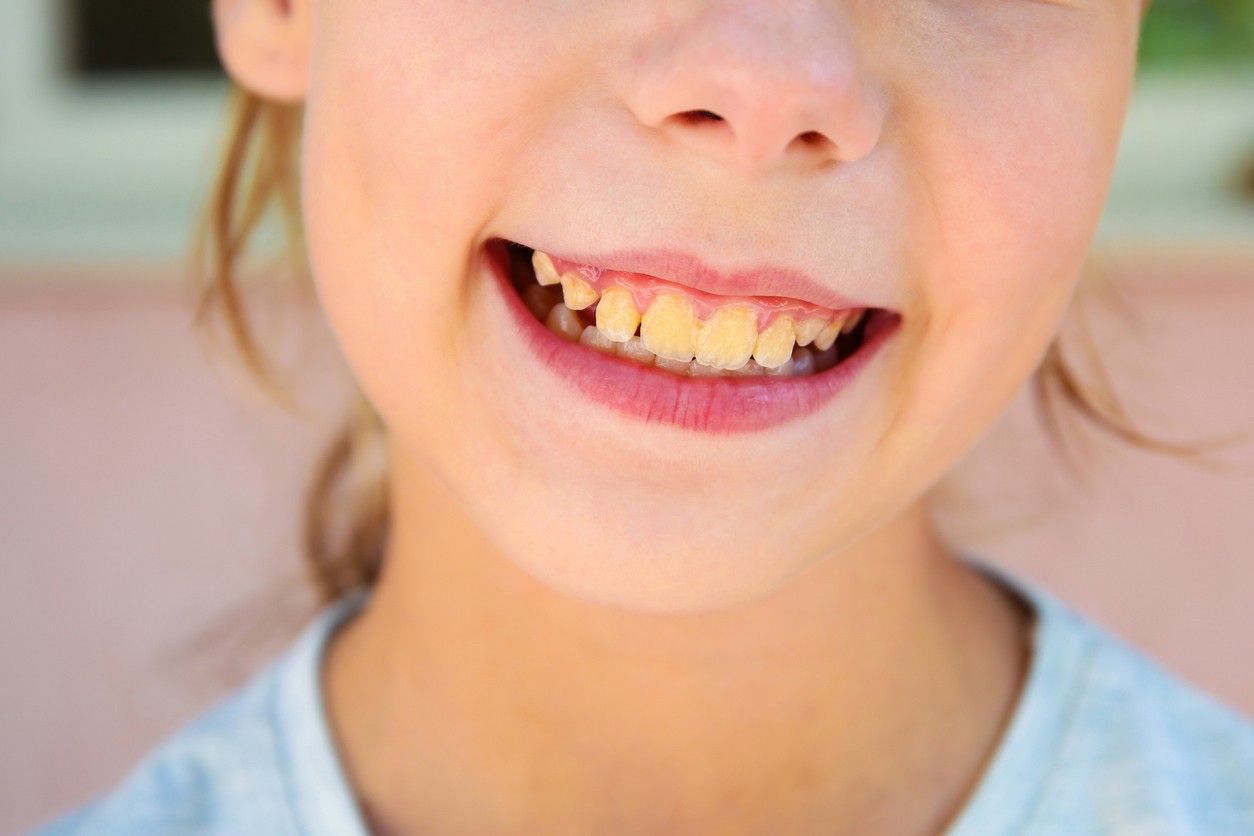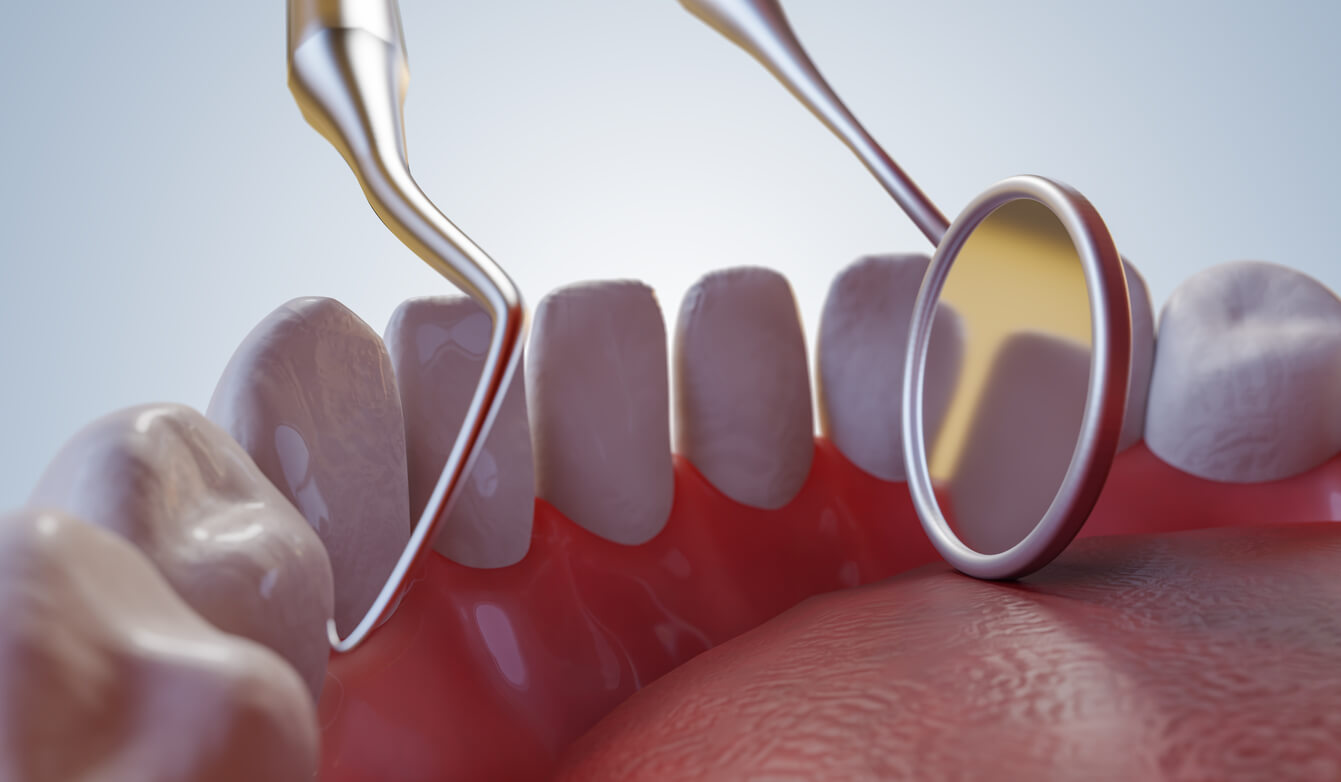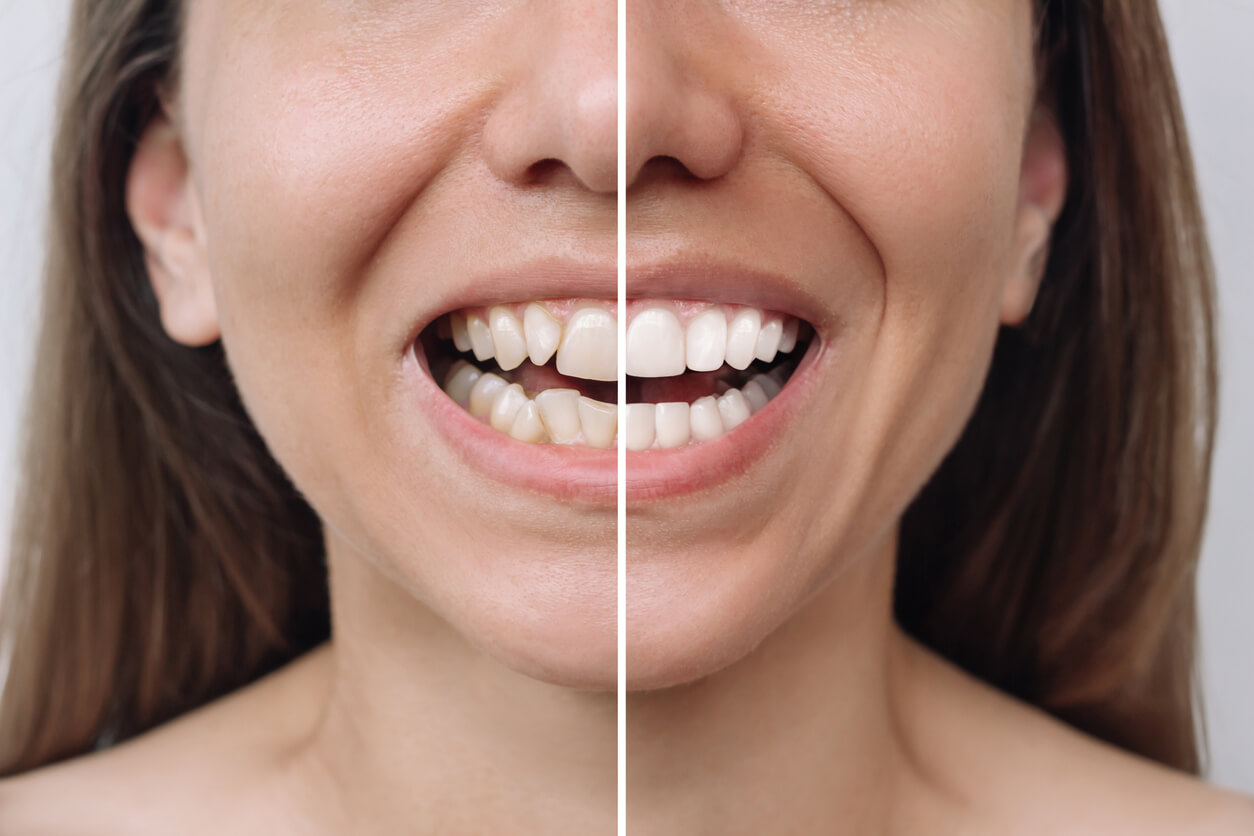
Are you self-conscious about your smile? You’re not alone. Some individuals struggle with dental imperfections that can impact their self-esteem and appearance. Whether it’s discoloration, chips, gaps, or misalignment, advancements in cosmetic procedures now offer several solutions to restore that perfect smile.
Two of the most popular options are dental bonding and veneers. But how do you know which one is right for you?
Choosing between them can feel overwhelming. Both cosmetic procedures promise to enhance your smile, but they come with different processes, benefits, downsides, and long-term considerations. In this article, we will look into these treatments to help you achieve a more confident smile.
What Is Dental Bonding?
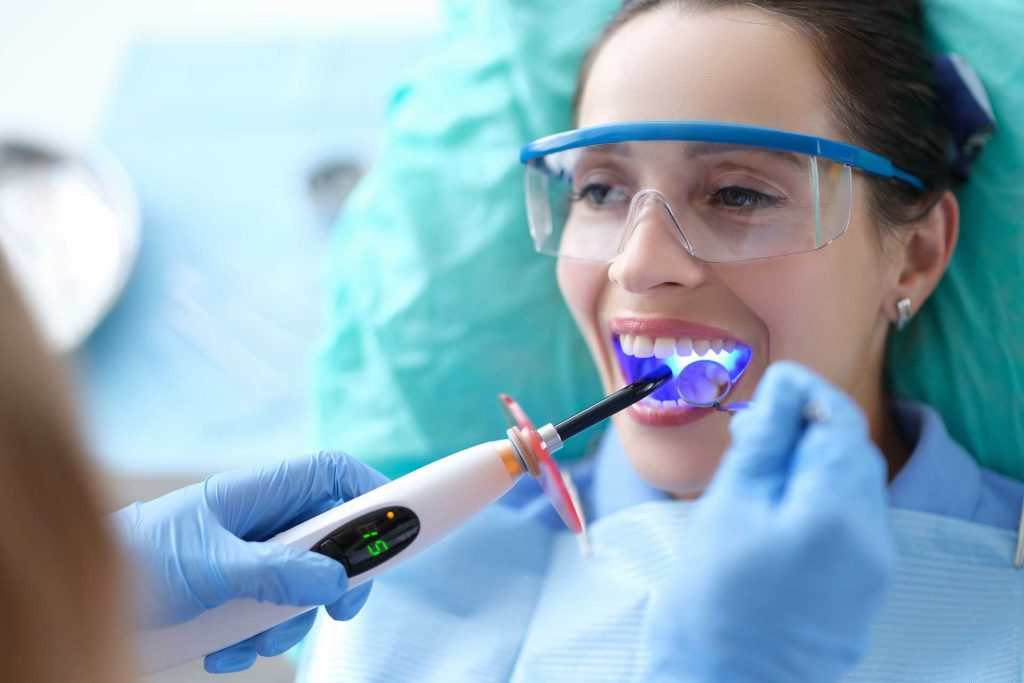
Dental bonding, also known as cosmetic bonding, is a procedure that involves applying a tooth-colored resin material to its surface. This resin is sculpted to the desired shape and then hardened using a special light, which bonds the material to the tooth. It is a versatile solution for minor dental imperfections. For those seeking a relatively quick and cost-effective way to enhance their smile, dental bonding offers a practical choice.
The Material Used for This Dental Treatment
The primary material used in dental bonding is a composite resin. This resin is composed of a mixture of plastic and tiny glass particles, which give it strength and a natural-looking translucency. It is available in various shades, allowing dentists to choose a color that closely matches the natural teeth color of the patient.
The Dental Bonding Procedure
Step 1: Getting the Tooth Ready
Initially, your dentist will clean the tooth thoroughly. Using a shade guide, they select a resin color that closely matches your natural teeth. To help the resin adhere properly, your dentist will gently roughen the surface and apply a special conditioning liquid.
Step 2: Applying and Molding the Resin
The dentist will then apply the resin material, molding it to the desired shape on your tooth. Once the resin is shaped correctly, a special light is used to harden and bond the material securely in place.
Step 3: Perfecting the Look
Lastly, the dentist polishes the bonded tooth, creating a smooth, shiny surface that harmonizes beautifully with the rest of your teeth. This step helps the bonded tooth closely mimic the appearance of a natural tooth, making your smile look completely natural and seamless.
Who Is a Suitable Candidate for Teeth Bonding?
Dental bonding is an excellent option for individuals with minor dental flaws. Those who are ideal candidates have:
- Small Chips
- Gaps Between Teeth
- Slight Discoloration
- Broken Teeth
- Decayed Teeth
- Healthy Teeth and Gums
- Surface Imperfections
The Pros and Cons of Dental Bonding
The benefits of dental bonding are numerous, including:
- Cost-Effective. Generally more affordable compared to other cosmetic dental procedures.
- Quick. The entire procedure can often be completed in a single visit.
- Minimally Invasive. Requires little to no removal of the natural tooth structure.
- Natural Appearance. The tooth-colored resin blends well with the surrounding teeth.
While dental bonding offers many advantages, it also has some downsides:
- Less Durable. The bonding material is less durable compared to other dental solutions like veneers and crowns. It may chip or break more easily.
- Prone to Staining. Unlike porcelain, the resin material can become stained from coffee, tea, red wine, and smoking.
- Shorter Lifespan. Typically, it lasts between 3 to 7 years, requiring more frequent maintenance.
What Are Veneers?
Veneers are thin, custom-crafted shells made of tooth-colored materials that are designed to cover the front surface of teeth. They are used to improve the appearance of teeth that are discolored, worn down, chipped, or misaligned. By bonding to the teeth, veneers can create a uniform and attractive smile, offering a minimally invasive solution for various dental imperfections.
The Material Used for This Dental Treatment
The choice of material for veneers is crucial, as it influences both the aesthetic outcomes and the longevity of the treatment. There are two primary materials that stand out for their quality and popularity: porcelain and composite resin.
- Porcelain. Porcelain is perhaps the most esteemed material for dental veneers due to its remarkable ability to mimic the natural translucence and luster of tooth enamel. Its strong, stain-resistant properties make porcelain an excellent long-term option. They are custom-made in a dental lab, which often requires more time and expense, but the results are highly durable and aesthetically pleasing, closely resembling natural tooth surfaces.
- Composite Resin. Composite resin veneers are a more cost-effective alternative and can be applied more quickly since they can be crafted directly in the dentist’s office. While composite resin doesn’t quite match the translucency and elegance of porcelain, it allows for color matching and repairs to be made easily if needed.
The Procedure
Step 1: Consultation and Planning
The journey begins with a consultation, during which your dentist evaluates your teeth and discusses your smile goals. They may also take digital X-rays and impressions of your teeth to plan the cosmetic treatment accurately. This step is important for customizing to match your unique dental structure and achieve the best possible results.
Step 2: Preparation
During your next visit, your dentist will prepare your teeth by gently removing a small amount of enamel from the surface. This is necessary to make room for the veneers. Next, impressions of your teeth are taken to create custom shells that fit perfectly.
Step 3: Placement
Once the veneers are ready, your dentist will place them to check the fit and color, making any necessary adjustments. They will then bond the shells with a special adhesive and use a light to harden the bond. After this step, your dentist will confirm that they feel secure and comfortable, making sure they function seamlessly with your natural bite.
Step 4: Polishing and Final Adjustments
Finally, the dentist polishes the veneers and makes any final adjustments to create a comfortable and natural-looking finish, leaving you with a beautifully enhanced smile. This meticulous attention to detail guarantees that they blend seamlessly with your natural teeth, providing both aesthetics and function.
Who Would Benefit the Most From This Dental Treatment?
Veneers are ideal for people looking to address more significant dental issues. They are particularly useful for individuals in the following situations:
- Severe Discoloration
- Large Gaps
- Chipped or Broken Teeth
- Severely Misaligned Teeth
- Dramatic Transformation
- Surface Imperfections
- Worn Enamel
Reliable dental practices like Smile Lake Anna offer comprehensive consultations to determine if veneers are the most suitable solution for achieving desired smile goals.
The Pros and Cons of Veneers
Veneers provide several advantages, making them a popular choice for cosmetic dentistry:
- Natural Appearance. They closely resemble natural teeth and offer superior aesthetics.
- Stain-Resistant. Porcelain veneers are resistant to staining, maintaining their color better than resin.
- Durable. With proper care, they can last between 10 to 15 years.
- Comprehensive Solution. It can address a wide range of cosmetic dental issues, from discoloration to gaps and misalignment.
Despite their benefits, veneers come with some drawbacks:
- Higher Cost. They are more expensive than other cosmetic dental treatments.
- Irreversible Procedure. Enamel removal is required, making the procedure irreversible.
- Requires Multiple Visits. The process usually takes at least two dental visits.
- Potential for Tooth Sensitivity. Removal of enamel can sometimes make them more sensitive to hot and cold.
Dental Bonding vs. Veneers: Their Differences
The choice between dental bonding and veneers hinges on several factors, from cost to the extent of dental issues that need resolving.
Cost: Dental Bonding vs Veneers
Veneers, made from porcelain, often cost more than bonding materials but can be more cost-effective over time as they are permanent, whereas bonding may need replacements. Veneers are ideal for covering stains untouched by whitening, while bonding is best for fixing chips or gaps. Costs can vary based on factors like procedure complexity and practice location, so visiting a reputable dental office like Smile Lake Anna is recommended for a precise estimate.
Time
Dental bonding is a quicker option, often accomplished in a single visit, taking about 30 to 60 minutes per tooth. Veneers, however, require at least two visits: the first for enamel removal and impressions and the second for fitting the custom-made shells. The veneer process can take several weeks from start to finish.
Appearance
Veneers offer a more natural and aesthetically pleasing appearance compared to dental bonding. The porcelain material of veneers can mimic the light-reflecting properties of natural teeth better than the dental bonding resin. This is particularly important for individuals seeking a dramatic transformation of their smile.
Procedure
Dental bonding is a minimally invasive procedure that often requires little to no removal of the natural tooth structure. Veneers, on the other hand, require the removal of a small amount of enamel from the tooth surface, making the procedure irreversible. This difference means that dental bonding generally preserves more of your original tooth, while veneers offer a more permanent alteration for enhanced aesthetics.
Sensitivity
Due to the enamel removal required for veneers, patients might experience some tooth sensitivity to hot and cold. Dental bonding usually doesn’t cause increased sensitivity. This temporary sensitivity typically subsides as they adjust to the veneers. It’s important to communicate any discomfort with your dentist for proper aftercare and guidance tailored to your situation.
Maintenance
Both dental bonding and veneers have specific maintenance requirements. Dental bonding generally needs replacement or repair every 3 to 7 years. Regular brushing, flossing, and avoiding staining foods and drinks can help maintain the appearance.
Veneers, notably porcelain veneers, are more stain-resistant and can last between 10 to 15 years with proper care. It’s crucial to follow good oral hygiene practices and have regular dental check-ups to extend the lifespan of veneers.
Veneers vs. Dental Bonding: Which Dental Procedure Is Right for You?
Choosing between veneers and dental bonding depends on individual needs and circumstances. Dental bonding is often the best choice for those looking to fix minor imperfections quickly and cost-effectively. It’s ideal for small chips, gaps, or slightly discolored teeth.
On the other hand, veneers provide a long-lasting and comprehensive solution for more significant cosmetic issues. They are better suited for severe discoloration, substantial gaps, and misalignments, offering a more dramatic transformation.
Consulting with a reputable dental practice like Smile Lake Anna can provide expert guidance tailored to individual smile goals and dental concerns. Their team is equipped to offer personalized treatment plans, ensuring the chosen solution aligns perfectly with the patient’s needs.
Find the Ideal Dental Solution For Your Dream Smile: Schedule an Appointment With Our Dentist!
Both dental bonding and dental veneers are effective for enhancing the appearance of teeth. The choice between them should consider factors like cost, treatment time, maintenance requirements, and the extent of the dental issues.
Whether you’re seeking a quick fix for minor imperfections or a comprehensive solution for more significant cosmetic concerns, consulting with an experienced cosmetic dentist is essential for personalized care. At Smile Lake Anna, we offer expert guidance and personalized consultations to help you achieve a beautiful, confident smile.
If you’re ready to enhance your smile or unsure which procedure is right for you, contact us today. Our dedicated staff is committed to exceptional care tailored to your unique needs.