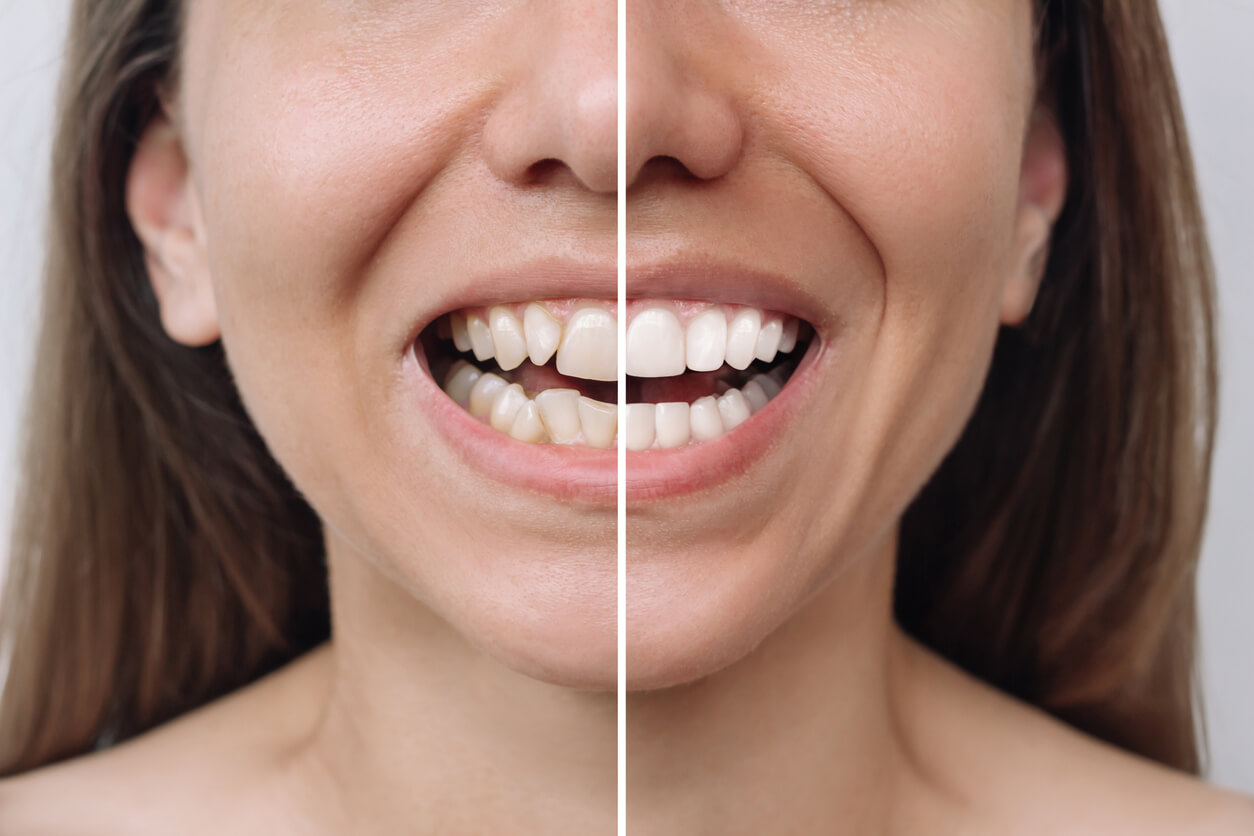
Are you looking to enhance your smile without the challenges of traditional braces? Invisalign has become an increasingly popular choice for addressing mild to moderate dental misalignments, offering a nearly invisible solution that appeals to both teens and adults.
Known for its convenience and aesthetically pleasing appearance, Invisalign helps you achieve a straighter smile while maintaining a natural look. This guide will explain the factors affecting the timeline and provide essential tips for a successful experience.
What Is Invisalign?
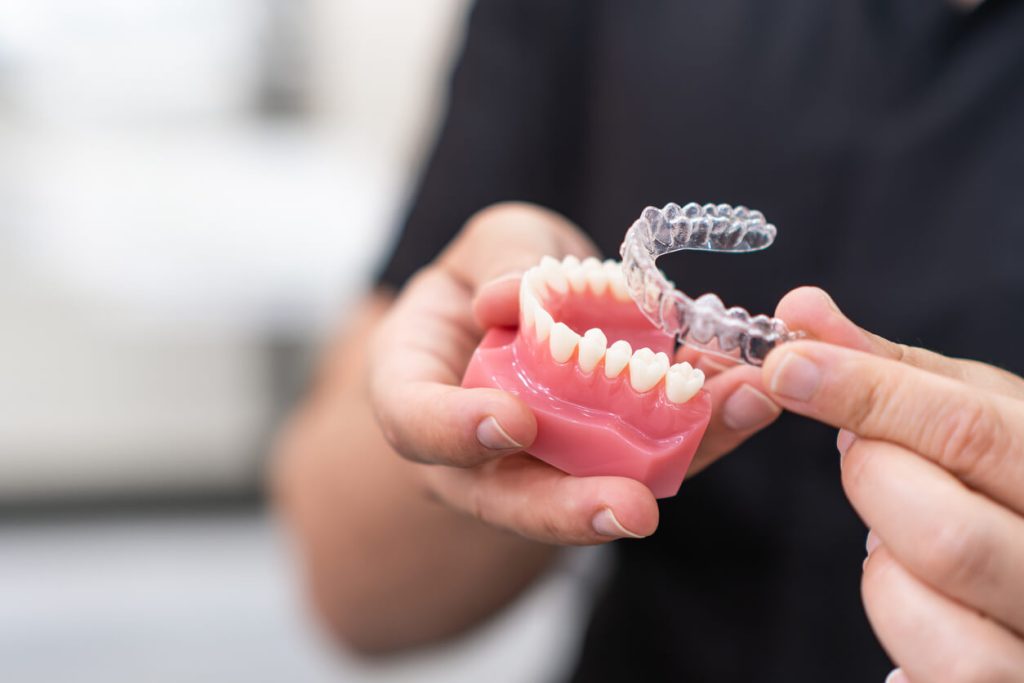
Invisalign represents a modern approach to teeth straightening through a series of transparent aligners made from BPA-free plastic. This cutting-edge method offers a comfortable and effective alternative to metal braces. Each aligner is custom-created using 3D digital scans of your teeth, ensuring a precise fit tailored to your treatment goals.
The aligners work by progressively moving teeth into their correct positions, promoting a healthy bite and an improved smile. For optimized outcomes, you should wear the aligners at least 20 to 22 hours per day and change them every 1 to 2 weeks. This cycle continues until your teeth reach their desired alignment.
How Long Does Invisalign Usually Take?
The average treatment time for Invisalign varies between 6 months to 2 years, dictated by individual cases. Below is a general timeline based on varying complexity levels:
Complexity | Average Treatment Time | Issues |
Mild | Approximately 13.4 months | Minor crowding, small gaps |
Moderate | Around 15.93 months | Moderate crowding, bite issues |
Complex | About 17.92 months | Severe crowding, significant misalignments |
Compared to traditional braces, Invisalign may offer quicker results in some instances. Research indicates many movements occur in the initial phase of each new aligner, suggesting weekly changes can align with certain treatment plans.
The Invisalign Process
Having explored the average duration of Invisalign treatment and the various factors that affect it, let’s examine the detailed step-by-step process involved in achieving your perfect smile.
Initial Consultation
During this initial consultation, the orthodontist conducts a comprehensive dental exam, assessing your specific orthodontic issues and discussing your goals for a straighter smile. This phase involves the use of advanced dental technologies to gather precise digital images and impressions, essential for forming a detailed, customized treatment plan tailored to your individual needs.
Aligner Fabrication
Following the initial assessment, the treatment process moves to the fabrication of your aligners. Utilizing 3D digital scans and computer-generated images, a series of custom-made, clear plastic aligners is designed to fit each patient’s teeth perfectly.
Active Treatment Phase
During the active treatment phase, you will wear each set of aligners for around 1-2 weeks, depending on your customized treatment plan. This gradual, step-by-step approach allows for controlled tooth movement, fostering alignment while minimizing discomfort.
Post-Treatment Phase
Once the active treatment phase has concluded, transitioning to the post-treatment phase is essential for maintaining your results. Retainers become a critical component in stabilizing your new smile, preventing your teeth from shifting back to their original positions.
Stages of Invisalign Treatment
- Treatment Planning. It all begins with a detailed treatment plan crafted using digital scans and computer-generated images. You’ll receive a series of custom-made, clear aligner trays designed specifically for your teeth.
- Progressive Aligners. Each set of aligners employs gentle pressure to move your teeth into their proper positions gradually position. These aligners are switched regularly, typically every couple of weeks, with frequent visits for check-ups to ensure everything is progressing smoothly.
- Final Adjustments and Retention. As treatment nears completion, final refinements may be necessary to perfect your alignment. After reaching your goal of a healthy bite, retainers help preserve your new smile.
Factors Influencing Treatment Duration
Understanding the nuances of clear aligner treatment is essential for setting realistic expectations about the journey to a straighter smile. The timeline for treatment can vary significantly based on individual circumstances, including:
Compliance With the Treatment Plan
Consistent adherence to your treatment plan, including wearing aligners for the specified hours, significantly impacts your timeline. Those who regularly follow the protocol can expect quicker progress.
Age and Growth Considerations
Younger patients often experience quicker teeth movement due to ongoing growth. However, adults can also achieve excellent results with a bit more time compared to younger patients.
Specific Orthodontic Requirements
Complex dental issues, such as crowded teeth, gaps, or rotations, determine treatment lengths. Complicated cases require detailed management, often leading to longer durations.
Regular Adjustments and Monitoring
Regular appointments with your orthodontist ensure the process stays on track. These check-ups allow for plan adjustments based on progress.
Technological Advances
Advancements in Invisalign technology continue to refine aligner features, influencing treatment duration through improved efficiency and outcomes.
Tips for a Successful Invisalign Journey
- Stay Committed. Consistency in wearing your aligners is crucial—aim for 20-22 hours daily.
- Maintain Cleanliness. Regularly clean aligners to prevent build-up and support oral hygiene.
- Monitor Progress. Regular check-ups with your orthodontist help track treatment progress and refine plans.
- Avoid Staining Beverages. Remove aligners when consuming colored drinks to maintain transparency.
- Wear Retainers Diligently. Post-treatment retention is key to maintaining your results.
Frequently Asked Questions
Potential patients often inquire about the predictability of treatment timelines. Here are answers to some common questions:
How Long Does Invisalign Take From Start to Finish?
The total duration for Invisalign treatment typically ranges from 12 to 18 months, though this can vary based on individual cases and compliance. Some patients may see noticeable changes sooner, while others might require a longer treatment period for optimal results.
Do People Really Wear Invisalign 22 Hours a Day?
While the recommendation is to wear Invisalign for 20 to 22 hours a day, actual adherence varies among patients. Many strive to follow this guideline closely for optimal results, but lifestyle factors can make it challenging. Consistency in wear time significantly impacts the effectiveness and timeline of the treatment.
Can Invisalign Be Done in 3 Months?
While it is uncommon, very minor adjustments or specific cases may be completed in as little as 3 to 6 months. However, this largely depends on the treatment goals and complexity of the case. Patients should consult with their orthodontist for a personalized assessment.
What Is the Shortest Time for Invisalign?
The shortest duration for Invisalign treatment is generally around 6 months, as seen in mild cases. The ability to achieve desired results in this timeframe relies heavily on patient compliance and the specifics of the orthodontic issues being addressed.
Embrace a Straighter Smile: Contact Us for Invisalign!
Invisalign offers a customizable and discreet way to achieve the smile of your dreams. While the average timeline ranges from 12 to 18 months, individual factors such as your specific orthodontic needs and commitment to wearing aligners can impact this duration. Whether you’re dealing with mild misalignments or more complex orthodontic issues, Invisalign provides an innovative approach tailored to your goals.
Ready to take the next step toward a straighter, more confident smile? Schedule a consultation today at Smile Lake Anna! Our dedicated team is here to assess your individual needs and design a personalized Invisalign treatment plan to help you achieve the best results.
Don’t wait to begin your journey to improved oral health and aesthetics—contact us now to learn more about how Invisalign can transform your smile.